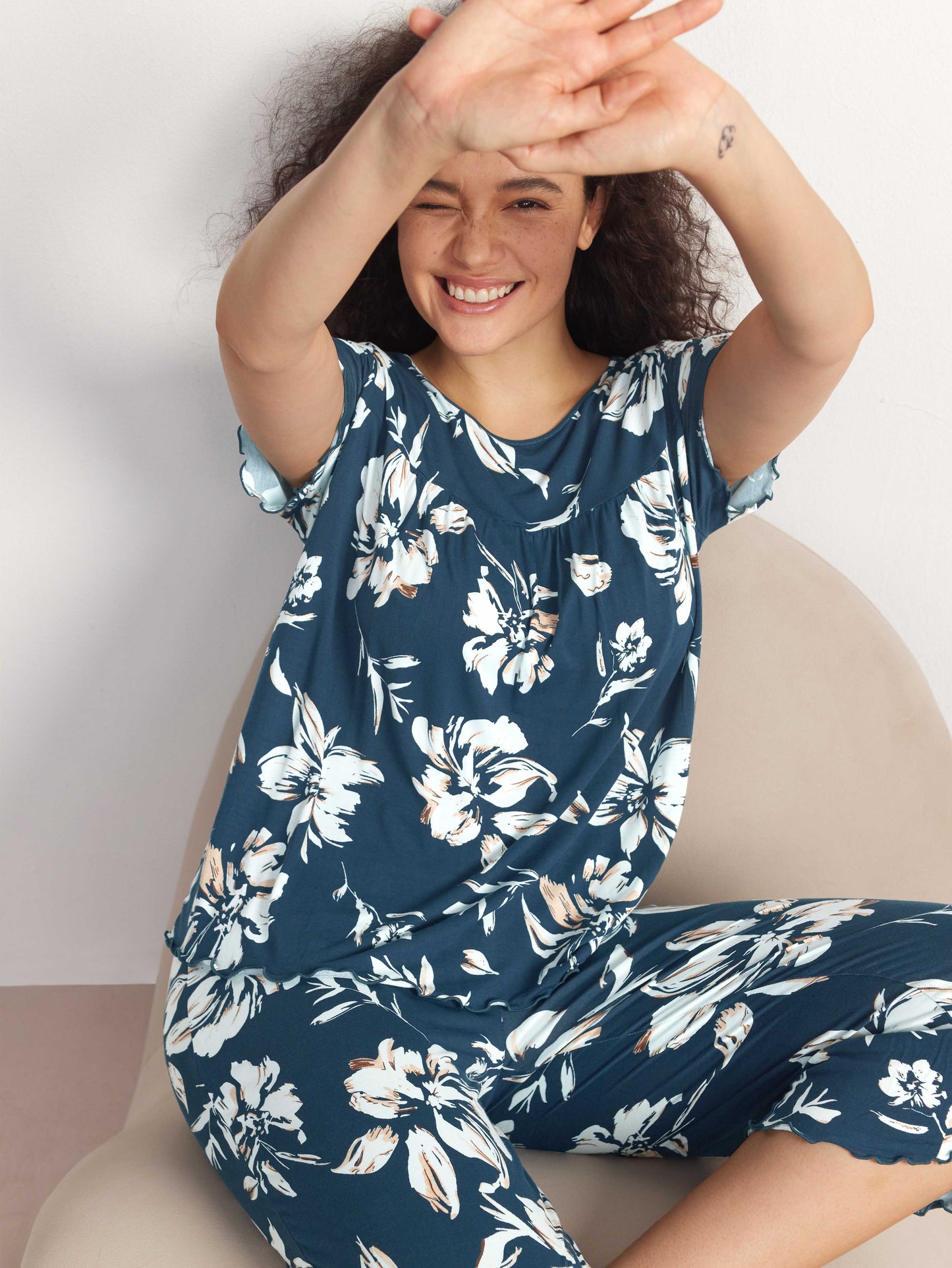
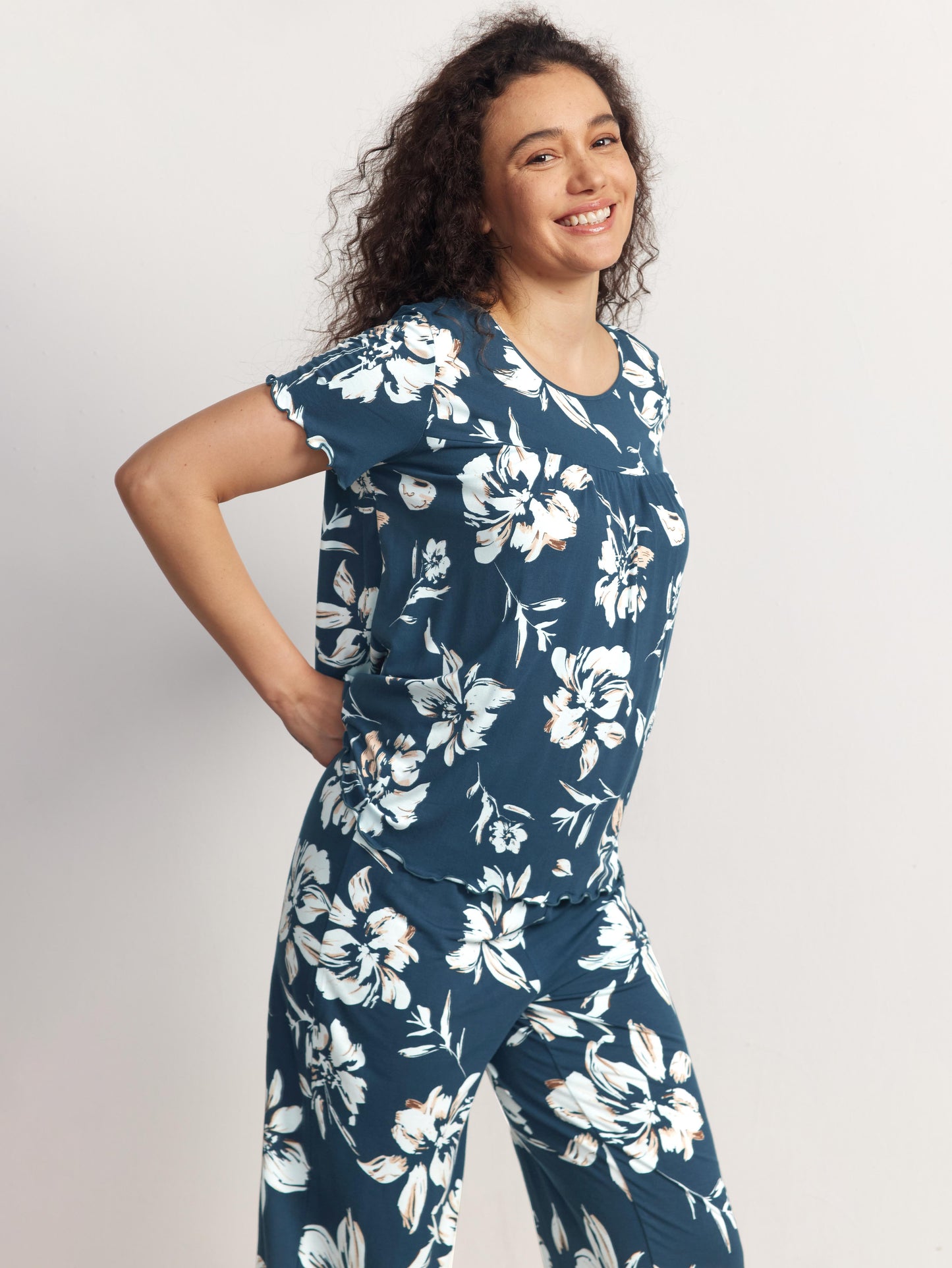
The Premium Collection Has Arrived. More Soft, More Breathable!

Why Are Bamboo Pajamas More Expensive Than Cotton? From Fiber to Cost-Per-Wear (Is a Bamboo Pajama Set Worth It?)
If you’ve spent any time reading reviews, you’ve probably noticed a pattern: bamboo sleepwear tends to spark polarized feedback. Some people describe bamboo pajamas as “so soft I can’t go back,” and feel the price is justified; others say it isn’t worth the premium—especially if they experienced pilling, shrinkage, or poor after-sales service.
That split isn’t random. It usually comes down to one question: Are you paying for marketing, or are you paying for measurable performance and lifespan? This article breaks down what actually drives the price of bamboo pajamas and how to evaluate value like a professional buyer—so you can decide whether a bamboo pajama set is worth it for your body, your sleep, and your budget.
The real reason bamboo pajamas often cost more
“Bamboo” on a product page is not a single fabric. The price difference you see in the market usually reflects a combination of:
1) Material conversion and yarn quality
Many bamboo-based fabrics are made from regenerated cellulose fibers (often labeled bamboo viscose/rayon). Producing stable, consistent yarn—soft, smooth, and suitable for knit sleepwear—requires tight quality control. Cheap yarn can feel soft on day one but wear down quickly, leading to surface pilling, uneven fading, or shape loss.
2) Knit structure (comfort vs durability is a design decision)
Most bamboo sleepwear is knit, not woven. A good night's sleep should have:
-
a smooth hand-feel (to reduce friction irritation)
-
stretch recovery (so knees and waistbands don’t bag out)
-
drape (so it feels “barely there” instead of clingy)
Those attributes don’t happen by accident. Fabric weight, knitting density, finishing, and recovery all affect cost—and the difference shows up after repeated washes, not just in the first try-on.
3) Construction: seams, waistbands, and finishing do the heavy lifting
With pajamas, “premium” is rarely about a logo. It’s about whether:
-
seams stay flat and comfortable
-
Waistbands keep a stable fit without digging.
-
stitching resists fraying and twisting
-
The garment holds shape after real-life laundering
If you’ve ever bought “cute cheap pajama sets” that felt fine initially but looked tired after a month, that’s usually construction and finishing—not the idea of “cheap” itself.
4) Testing and safety standards
When a brand invests in third-party testing (for example, OEKO-TEX® Standard 100–type standards), that adds cost, but it also reduces uncertainty—especially for people who wear pajamas against sensitive skin night after night.
What you’re really paying for: sleep performance, not just softness
Price is easier to accept when you connect it to outcomes people actually care about. Bamboo sleepwear tends to be purchased for performance drivers such as:
-
Breathable pajamas that reduce sticky heat and nighttime sweat discomfort
-
Moisture-wicking comfort that helps you feel dry rather than clammy
-
Thermoregulation that feels cool at first touch and then stabilizes comfort
-
A silky-soft, low-friction surface that feels easier on sensitive skin
-
Anti-static behavior that stays presentable in dry seasons
-
High stretch comfort that doesn’t restrict turning and side-sleeping
When those features are executed well, people understand the premium. When they’re not, the premium feels like a mistake—hence the “two camps” in reviews.
The most rational way to judge value: cost-per-wear
Instead of asking “Is it expensive?” ask “How many good wears do I realistically get?”
A simple method:
-
Decide how often you’ll wear the set (e.g., 2 nights/week = ~104 wears/year).
-
Estimate how long it will remain comfortable and presentable (e.g., 18–24 months).
-
Cost-per-wear = purchase price ÷ total wears.
A higher-priced set that stays soft, stable, and presentable can cost less per wear than a cheaper set you replace twice a year. This is especially true if you’re buying bamboo sleepwear for a specific problem—night sweats, sensory discomfort, or temperature swings—where performance matters more than aesthetics.
How to tell if a bamboo pajama set is “premium” or just priced like it
Here are the signals that typically correlate with real value:
-
The brand explains fiber type clearly (not just “organic bamboo” as a vibe).
-
Care guidance is specific and realistic (not “wash however you want”).
-
Construction details are consistent across products (not just one “hero” item).
-
Reviews mention how the set behaves after multiple washes—not just day one.
If the only selling point is “super soft,” you’re likely paying for first-impression comfort rather than long-term performance.
Where GYS fits (and why it’s relevant to the price conversation)
GYS bamboo sleepwear is built around “comfort that repeats,” not comfort that peaks on day one. That shows up in practical, value-driven features: breathable moisture management, a silky-soft feel designed for close-to-skin comfort, machine-wash stability, anti-static versatility, and craftsmanship focused on durability and shape retention.
If your hesitation is “I don’t want to overpay,” the best move is to pick a set engineered for wash-and-wear life—so you’re buying a dependable uniform, not a delicate treat.
Explore GYS here: https://www.gyspajamas.com/
Bamboo pajamas can be worth the premium—when the premium reflects fabric stability, construction quality, and repeatable comfort. If you judge value using cost-per-wear and wash performance (not just first-night softness), the price conversation becomes much clearer.