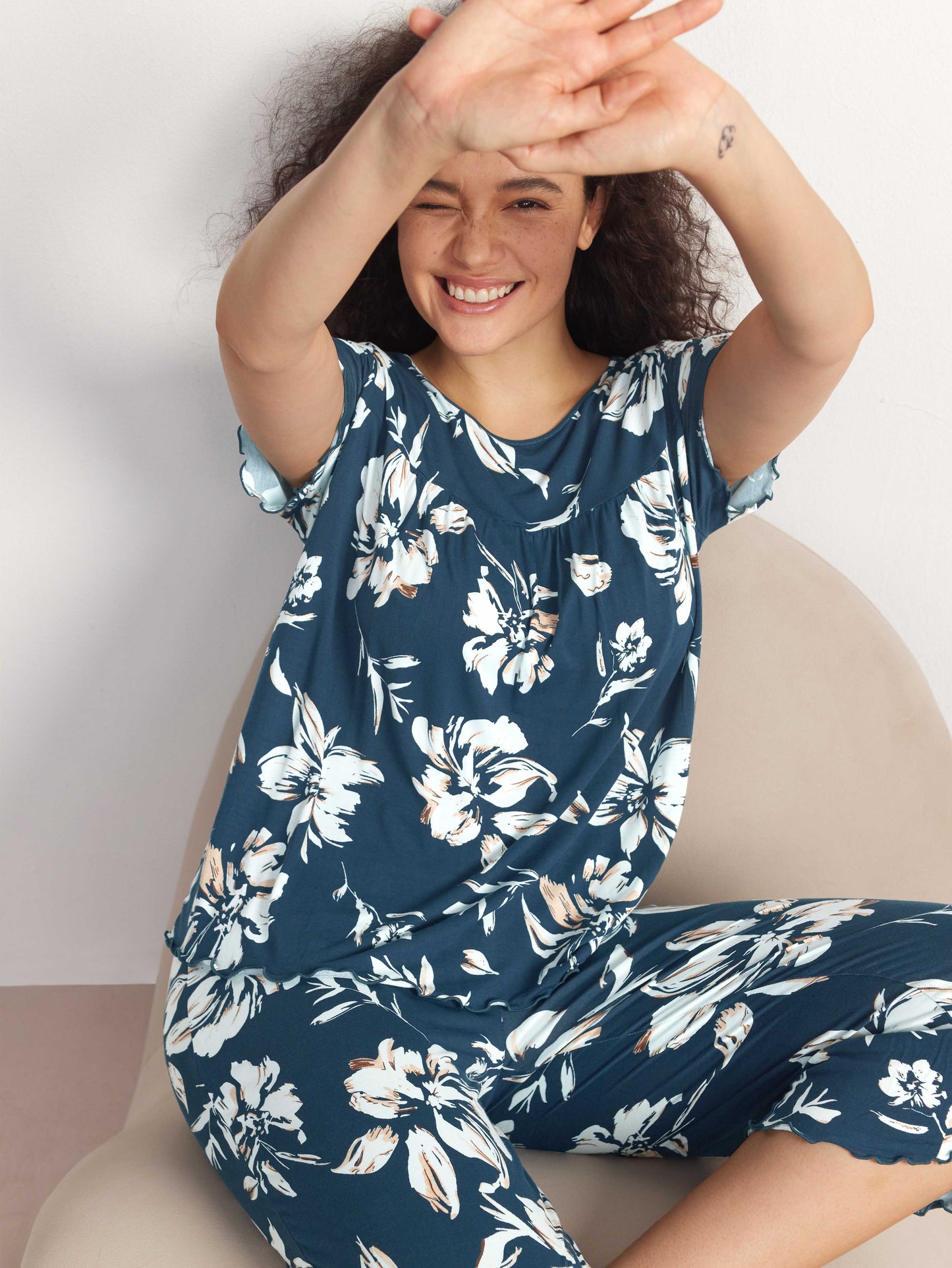
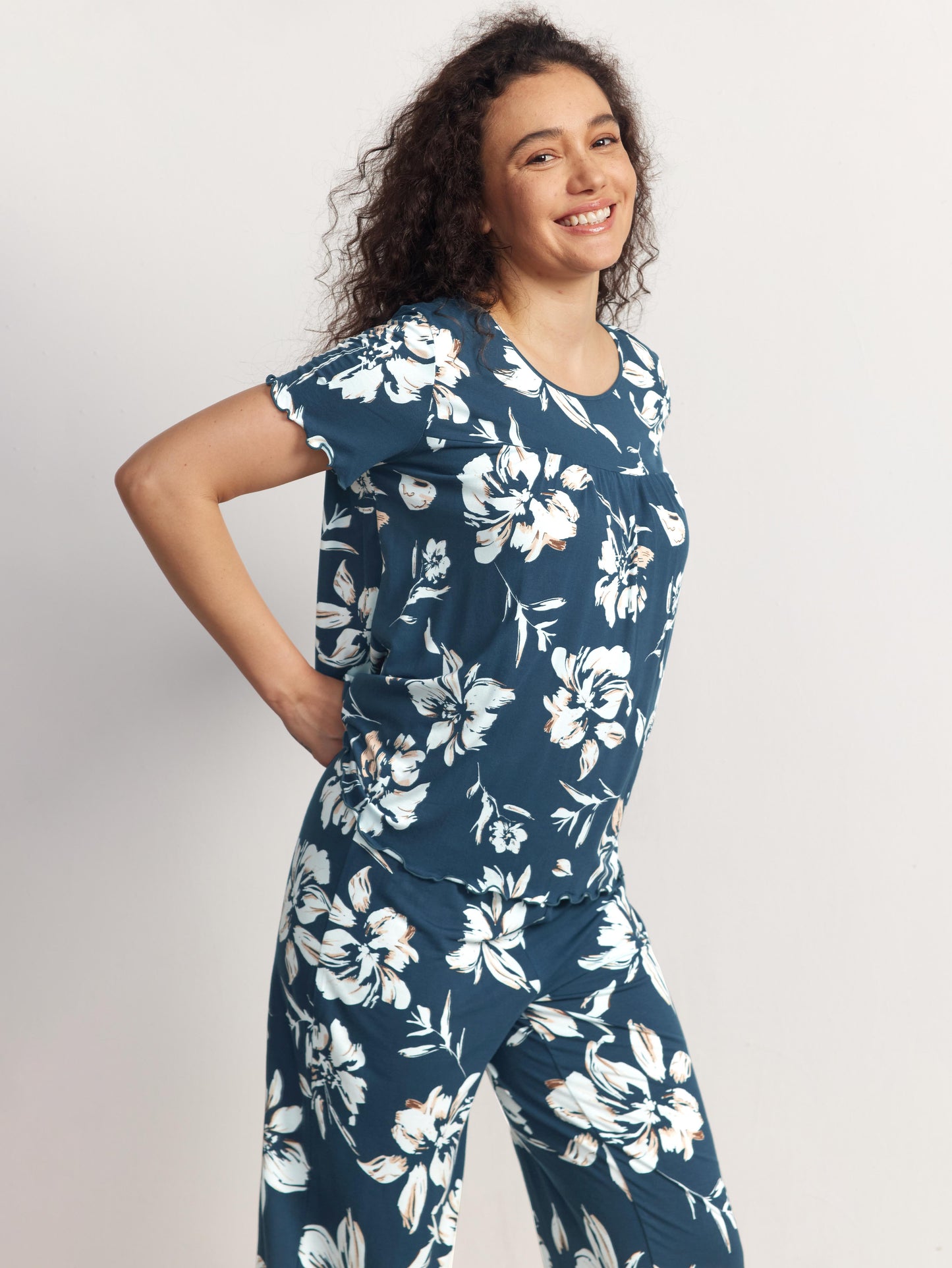
The Premium Collection Has Arrived. More Soft, More Breathable!

The Complete Guide to Bamboo Fiber Pajamas for Women
Imagine slipping into pajamas that feel as soft as a cloud, keep you comfortably cool through midnight hot flashes, and are made from a plant that grows as fast as the summer weeds in your garden. This isn’t a dream – it’s what bamboo fiber pajamas promise. In this complete guide, we explore why more women are embracing bamboo sleepwear. This is especially true for those navigating mid-life changes or prioritizing comfort for their families. We’ll dive into the science-backed health benefits, the cool-and-cozy factor, the eco-friendly story, style tips, care instructions, how bamboo compares to classics like cotton and silk, and why bamboo pajamas are a mature woman’s best friend (menopause, we’re looking at you). Grab a cup of tea, get comfy, and let’s uncover how bamboo PJs can upgrade your nights and your lifestyle.
Health and Skin Benefits of Bamboo Sleepwear
One of the biggest reasons women switch to bamboo fiber pajamas is how gentle they are on the skin. If you have ever woken up with irritated, itchy patches or you have sensitive skin conditions like eczema, bamboo pajamas might feel like a godsend. Bamboo fabric is naturally hypoallergenic, meaning it’s far less likely to trigger allergies or skin reactions than other materials. Unlike some synthetic fabrics or chemically treated cotton, bamboo fibers contain no harsh irritants and even repel common allergens, making them a safer choice for sensitive skin. The fabric’s fibers are silky-smooth and non-abrasive, so they won’t scratch or chafe. In fact, many people with eczema or dermatitis find bamboo clothing a game-changer – its softness doesn’t exacerbate their symptoms, and its natural antibacterial properties help reduce the risk of skin infections.
Beyond being hypoallergenic, bamboo viscose (the form of rayon made from bamboo pulp) is often praised for its antibacterial and anti-odor qualities. The bamboo plant contains a bio-agent called “bamboo kun” that gives it a natural resistance to pests and bacteria. Remarkably, some of those properties carry over into the fabric, meaning your bamboo pajamas can inhibit bacterial growth that causes odors. The result? Pajamas that stay fresher and resist odors longer, even in warm weather or after sweating, even in warm weather or after sweating. This is a nice perk for anyone, but especially if you’re an active sleeper or experiencing night sweats – you won’t have to worry about unpleasant smells clinging to your PJs.
Another health benefit is bamboo’s ability to wick moisture and breathe, which also protects your skin. If you tend to perspire at night, the moisture sitting on your skin can lead to rashes or breakouts. Bamboo fabric addresses this by drawing sweat away from the skin and evaporating it quickly, keeping you dry and reducing chafing. This is particularly helpful in areas prone to irritation (for example, under the bust or around the waistband) – bamboo PJs help prevent that sticky, clammy feeling and the redness that comes with it. And because bamboo fibers are highly breathable, air circulates freely, so your skin stays cooler and less congested.
Finally, consider that as we age, our skin often becomes drier and more delicate. Bamboo’s ultra-soft touch can feel soothing on mature skin, almost like a second skin that you barely notice. The fabric contains no chemical finishes and is often produced without harsh dyes, so it’s gentle in every way. Women who might have found lace or polyester nightgowns irritating on their skin are delighted to find that bamboo sleepwear causes no tingling, no scratches – just pure comfort. For more on how bamboo fabric nurtures sensitive skin, [see the full article here].
Cooling Comfort: Temperature Regulation and Moisture-Wicking
If you’ve ever been up at 2 a.m. tossing the covers aside because of a sudden hot flash or drenching night sweat, you know the havoc that overheating can wreak on your sleep. Older women, especially those going through perimenopause or menopause, are all too familiar with these sleep disruptions. Here’s where bamboo pajamas truly shine: they are masters of temperature regulation and moisture control, helping you stay cool and dry through the night.
Bamboo fabric is often described as thermoregulating, meaning it helps maintain a steady body temperature by providing insulation when it’s cool and breathability when it’s warm. How does that work? For one, bamboo viscose is exceptionally breathable – the fabric allows air to flow, which prevents you from overheating. At the same time, bamboo can absorb and evaporate sweat faster than many other materials. It’s some studies estimate it to be about 40% more absorbent than even the finest organic cotton, soaking up moisture and releasing it into the air to keep you comfortable. In practical terms, when you perspire, bamboo pajamas pull that dampness off your skin and let it evaporate quickly, so you won’t wake up in a puddle of sweat.
The moisture-wicking ability of bamboo is a game-changer for women who get night sweats. Traditional cotton or flannel PJs often get soggy and clingy when you sweat, but bamboo sets actively work to keep you dry. One brand known for bamboo sleepwear notes that its bamboo fabric’s unique structure allows it to “pull moisture away from your body and allow it to evaporate quickly, reducing that clammy feeling that can wake you up at 2 a.m.” Indeed, many hot sleepers find that bamboo pajamas help them sleep through the night without interruptions, because even if a hot flash strikes, their clothing isn’t trapping heat and sweat next to the skin. (Research shows a majority of women – up to 80% – experience night sweats during menopause, so this is a very common issue.)
What about staying warm when it’s chilly? Bamboo pajamas are usually made in a knit weave (like a jersey knit), which gives them a slight natural stretch and a cozy feel. While they are lightweight, you can find bamboo sleepwear in various thicknesses (weights) and styles (short or long sleeves, pants or shorts). A mid-weight bamboo fabric is great for year-round use – it’s light enough for summer and can be layered in winter. The fabric’s breathability means you won’t overheat under warm blankets, but you also won’t feel cold and clammy because any sweat is dealt with. Many women describe bamboo sleepwear as “cool to the touch” yet comfortably warm when you need it, striking that perfect balance. If you sleep with air conditioning or a fan on, bamboo PJs will help prevent the chill that happens when sweat cools on your body, because they dry so quickly. In short, bamboo fiber pajamas act like a smart cooling system: when you heat up, they help dissipate the heat and moisture; when you cool down, they keep you comfortably dry.
For women in menopause, this moisture management isn’t just about comfort – it can actually lead to better sleep quality. Keeping your body at a stable temperature helps maintain an uninterrupted sleep cycle. Instead of waking up drenched and having to change clothes or sheets, you might find you sleep more deeply and wake up more refreshed because bamboo pajamas minimize your discomfort. (As one menopause sufferer happily noted in a review, “The cooling effect is outstanding with the lovely hot flashes we get later in life. So soft and supple, I am absolutely obsessed...”)
For more tips on beating night sweats and staying cool with moisture-wicking bamboo sleepwear, [see the full article here].
A Sustainable Choice: Eco-Friendliness of Bamboo Fabric
Beyond personal comfort, bamboo pajamas carry a feel-good factor for the environmentally conscious woman. Bamboo often earns praise as an eco-friendly resource, and there are solid reasons for that. If you’re trying to choose products that are kinder to the planet for the sake of your children and grandchildren’s future, bamboo fabric is worth a look.
Bamboo grows incredibly fast – some species can shoot up 3 feet in a single day! It’s actually a type of grass, and when it’s harvested, it doesn’t need to be replanted; it sprouts new shoots from its roots. This regenerative growth means one acre of bamboo can yield 10 times more fiber than an acre of cotton. Talk about efficiency! More output from less land is a win for sustainability. In addition, bamboo can thrive in diverse climates and often on land that isn’t ideal for other crops, so it doesn’t compete with food agriculture.
Another major eco-perk: bamboo requires far less water than cotton. Cotton is notorious for being a thirsty crop – by some estimates, it takes about 2,700 liters of water to produce a single cotton T-shirt. Bamboo, on the other hand, is naturally drought-resistant. It typically needs only about one-third of the water that cotton does to grow. Often, bamboo can rely on rainwater alone, with no irrigation required. Considering water scarcity is a growing global issue, a fabric that doesn’t guzzle water is a responsible choice.
Then there’s the issue of pesticides and fertilizers. Conventional cotton farming is heavy on chemical use – nearly 25% of all chemical pesticides used on American crops are for cotton. Bamboo has an inherent resistance to pests and fungi (thanks to that bamboo-kun antibacterial agent we mentioned), so it’s usually grown without any pesticides or herbicides. Fewer chemicals in the cultivation process mean less runoff pollution in soil and waterways, and a healthier ecosystem. Even when compared to organic cotton (which avoids pesticides), organic cotton can suffer more crop losses and requires careful soil management, whereas bamboo is naturally robust and hardy.
Turning bamboo into fabric (bamboo viscose) indeed involves a chemical process, and not all bamboo fabrics are made equal on the sustainability scale. The most common method uses solvents to break down bamboo pulp, which can be harsh on the environment if not managed properly. However, many reputable bamboo sleepwear brands now use closed-loop processes that recycle these solvents or have moved to more eco-friendly versions (like bamboo lyocell). When shopping, you can look for certifications like OEKO-TEX® Standard 100, which ensures that the finished textile is free of harmful chemicals. Some brands are also certified organic or Bamboo Eco-Certified, indicating that their bamboo source and processing meet high sustainability criteria. In our experience, companies that tout bamboo’s benefits often also prioritize ethical and eco-conscious manufacturing, so you can likely find bamboo pajamas that align with your green values.
Finally, bamboo fabric is biodegradable (as long as it’s 100% bamboo viscose and not blended with synthetic fibers). So when your beloved PJs eventually wear out after many years, they won’t sit in a landfill for eternity – they’ll break down much faster than polyester would. Plus, choosing durable bamboo pajamas that last longer (more on durability in a moment) means you buy less often, reducing waste in the long run.
All these factors make bamboo sleepwear a smart pick for eco-minded women who want comfort without compromise. You can feel good knowing that your cozy pajamas didn’t come at the expense of Mother Earth – in fact, bamboo releases 35% more oxygen into the atmosphere than equivalent stands of trees, helping clean the air as it grows. For a deeper exploration of bamboo fabric’s environmental impact and safety, [see the full article here].
Style and Design: Bamboo Pajamas for Every Taste
Just because something is practical and healthy doesn’t mean it can’t be pretty and stylish. Bamboo fiber pajamas come in a wide array of designs, so you can find sleepwear that fits your personal style and needs – whether you prefer classic and conservative or fun and trendy.
Bamboo pajamas come in various styles – from classic button-down sets to relaxed loungewear pieces that blend comfort and style.
One of the first things you’ll notice about bamboo sleepwear is how luxurious the fabric looks and feels. Bamboo viscose drapes beautifully; it has a gentle sheen and a “buttery” handfeel often compared to silk or cashmere. Imagine a pair of pajamas that glide over your body without clinging – that’s the bamboo difference. This drape means bamboo pajamas are often cut in flattering silhouettes. For instance, you can find elegant two-piece sets with a button-down top and drawstring pants that have a classic appeal (complete with contrast piping along the edges for a timeless touch). There are also tank-and-capri sets for warmer nights, long-sleeve tops with pants for cooler seasons, and even nightgowns made of bamboo that combine femininity with comfort.
If you peek into catalogs or websites, you’ll see bamboo sleepwear in all sorts of colors and patterns. Love a calm neutral? You can get solid pastel shades or earthy tones that evoke a spa-like serenity. Want something playful? Many brands offer prints – from florals and whimsical motifs to chic stripes or polka dots. There are even seasonal bamboo PJ sets (think festive prints for holidays or matching family pajama sets in bamboo for those adorable Christmas morning photos). Because bamboo fabric holds dye well, the colors tend to be vibrant and long-lasting. In fact, bamboo fibers require less dye to achieve rich color and retain their color longer without fading, compared to cotton. So that beautiful plum purple or teal set you buy will stay bright wash after wash.
Importantly, bamboo pajamas are designed with comfort in motion in mind. The material has a bit of natural stretch (and many garments include a small percentage of spandex/elastane, say 5%, to enhance elasticity). This means your pajamas move with you – no restrictive feeling when you turn over or reach for something. Look for features like flat, wide waistbands that won’t dig in, tagless labels (since scratchy tags can ruin the experience of an ultra-soft fabric), and minimal seams or well-finished seams that don’t rub. Many women’s bamboo PJ sets now come with thoughtful touches: for example, tops that are roomy in the shoulders, pants or shorts with pockets (yes, pockets in PJs!), and adjustable drawstrings for a perfect fit. Some brands even make mix-and-match separates, so you can choose different sizes for top and bottom or swap in a shorts bottom on a hot night.
Style-wise, bamboo sleepwear can be multi-purpose. The line between pajamas and loungewear is blurred here – a lot of bamboo pieces are so chic and modest that you can wear them around the house during the day. Picture a heather-gray bamboo lounge set that you’re comfortable greeting the mailman in, or a floral bamboo nightdress that could double as a sundress in a pinch. For homemakers who might spend evenings relaxing with family or mornings getting the kids off to school, it’s nice to have sleepwear that you don’t need to immediately change out of when you step out of the bedroom. Bamboo’s wrinkle-resistant nature keeps you looking presentable; just a quick stretch or shake, and any slight wrinkles from sleep fall out thanks to the fabric’s drape.
In short, bamboo pajamas let you sleep in style. You get the benefits of a performance fabric with the aesthetics of high-end leisurewear. Whether you prefer a polished matching set that makes you feel put-together or a laid-back oversized tee that’s all about comfort, there’s a bamboo option out there. And because the market for bamboo apparel has grown, you’ll find inclusive sizing (many brands offer from XS up to XXL or beyond) so women of all shapes and ages can enjoy the trend. For a showcase of popular bamboo pajama designs and how to pick a style that suits you, see the full article here.
Caring for Bamboo Pajamas: Tips for Longevity
Once you’ve fallen in love with your bamboo fiber pajamas, you’ll likely want them to last as long as possible. The good news is that bamboo sleepwear is not high-maintenance – in fact, it’s pretty easy to care for. With a few simple steps, you can keep that fabric as soft and cozy as the day you bought it, and ensure the pajamas stay in great shape for years.
Here are some best practices for washing and caring for your bamboo sleepwear:
1. Wash in Cold Water, Gentle Cycle: Always launder your bamboo pajamas in cold water on a gentle (delicate) cycle. Hot water isn’t necessary (bamboo fabrics release dirt easily) and can even weaken the fibers or cause shrinkage. A mesh laundry bag is optional but can be useful if you want to prevent any snagging with zippers or rough items in the wash.
2. Use Mild Detergent, No Bleach or Fabric Softener: Choose a mild, gentle detergent – preferably one free of harsh chemicals. Avoid using bleach or heavy fabric softeners. Bleach can damage the natural fibers (and isn’t needed because bamboo’s antibacterial properties keep odors at bay). Fabric softener can actually coat the fibers and reduce that lovely natural softness. The good news: bamboo fabric is already incredibly soft, so you won’t miss the fabric softener at all.
3. Air-Dry or Tumble Dry Low: High heat is the enemy of bamboo (as with most delicate fabrics). It’s best to air-dry your pajamas by laying them flat or hanging them (out of direct sunlight), which will maintain their shape and prevent any shrinkage. If you must use a dryer, use the low heat (tumble dry low) setting and remove the garments promptly when done. They’ll dry fairly quickly. Avoid over-drying, as excessive heat can lead to pilling or a loss of that silky texture over time.
4. Fold, Don’t Hang (for heavier items): For knitted bamboo pajama sets, especially heavier ones, it’s recommended to fold them rather than hang them on hangers. Hanging can sometimes stretch the fabric (gravity isn’t always our friend), leading to misshapen shoulders or a longer length than intended. If you hang lightweight bamboo nightgowns, use padded hangers to be gentle.
Following these care steps will ensure your bamboo pajamas maintain their “first-wear softness” and lovely drape over time. Another plus: bamboo fabric is naturally resistant to wrinkling and static. You’ll notice when you pull your PJs out of the dryer or off the line, they’re usually smooth and ready to wear – no ironing needed for most of them. If you do get a stubborn wrinkle, a quick steam or a very low iron can be used, but generally, you can skip the ironing board.
One more tip: Because bamboo garments don’t hold odor and soil the way cotton can, you might find you can wear them a couple of nights before needing to wash (unless you’re a nightly-wash person). When you do wash, washing with like fabrics (other soft garments) is wise; avoid washing rough denim or items with hooks/zippers in the same load, to prevent any abrasion on your delicate PJs.
Bamboo fabric, when cared for correctly, is actually quite durable. Some reports suggest that quality bamboo viscose can outlast cotton in terms of maintaining its shape and strength, possibly three times longer than cotton with proper care. So, treating your PJs to a gentle wash routine isn’t just about babying them; it pays off in longevity. Considering bamboo pajamas can be an investment, it’s nice to know they’ll be your bedtime companions for the long haul. For an in-depth guide on washing and maintaining bamboo clothing, including dealing with stains and preventing pilling, see the full article here.
Bamboo vs Other Fabrics: Cotton and Silk
You might be wondering how bamboo pajamas stack up against other popular sleepwear fabrics you’ve worn over the years. Let’s compare bamboo vs. cotton vs. silk, since these are three common choices for quality women’s pajamas. Each has its merits, but there are clear differences that can help you decide what’s best for your needs.
Bamboo vs. Cotton: Cotton pajamas have been a staple for generations – we all love a well-worn cotton tee or flannel PJ pants. Cotton is breathable and easy to care for, but in many respects, bamboo has the edge for sleepwear comfort. Bamboo fabric is softer to the touch than most cotton (it’s often compared to high-end Pima or Egyptian cotton for its smoothness). If you put on a bamboo shirt and a regular cotton shirt, the bamboo one typically feels silkier and causes less friction on the skin. Moreover, bamboo is much better at moisture management. We’ve discussed how bamboo wicks away sweat; cotton, by contrast, tends to absorb moisture and hold it. Think of a cotton towel – it soaks up water and stays wet. In pajamas, heavy perspiration can leave cotton PJs feeling damp and heavy, whereas bamboo will disperse that moisture more effectively, keeping you drier. In fact, bamboo can absorb significantly more water than cotton relative to its weight, and it dries more quickly.
Bamboo also has those antibacterial and odor-resistant qualities, meaning your PJs stay fresher. Cotton can harbor bacteria and odors more, so you might notice cotton pajamas needing a wash more frequently to smell clean. One advantage of cotton is its ruggedness: a thick, high-quality cotton (like a flannel or twill) is a very sturdy fabric that can handle rough use and high heat washing. As one analysis put it, at very high thread weights, cotton can be extremely durable and “rugged,” while bamboo knits are more delicate in feel. However, when comparing typical lightweight sleepwear, bamboo holds up excellently if cared for, and it doesn’t weaken as much from washing because you’re using gentle cycles and avoiding high heat. Cotton’s other advantage is ease of care – you can generally throw cotton in any wash, any dryer, no fuss. But as we saw, bamboo care isn’t difficult either; it just requires a bit more temperature mindfulness.
From a sustainability perspective (as we covered), bamboo is generally more eco-friendly than conventional cotton (less water, no pesticides). Organic cotton is a better comparison, which avoids pesticides, but even organic cotton uses more water and land per yield than bamboo. So for the environmentally minded, bamboo may come out on top. In summary, if you crave softness, moisture-wicking, and hypoallergenic qualities, bamboo wins; if you value familiarity and toughness, cotton might be fine. Many women ultimately keep both in their wardrobe, but find themselves reaching for bamboo PJs on those nights when comfort is paramount.
Bamboo vs. Silk: Silk pajamas are the epitome of luxury – smooth, elegant, and yes, great for temperature regulation. Silk is a protein fiber (from silkworm cocoons) and has a natural ability to keep you cool when it’s hot and warm when it’s cool, somewhat like bamboo. It’s also very breathable and has a lustrous beauty. However, silk has its downsides for everyday wear: it’s expensive, and it requires delicate care (usually hand-wash or dry-clean, no tossing in your machine with yesterday’s laundry). This is where bamboo offers a tremendous advantage – you get a silk-like feel without the high price tag or fussy maintenance. One sleepwear guide summed it up well: “Silk is luxe and thermally responsive but requires delicate care; bamboo offers easier care with a price point suited to everyday wear.” That captures it perfectly.
Performance-wise, silk might have a slight edge in cooling – some comparisons note that pure silk excels at cooling in the hottest weather a bit more than bamboo. But the difference isn’t huge, and bamboo actually wicks moisture better (silk can get damp with sweat and then you feel its clamminess, whereas bamboo will pull that sweat away). Also, if you’ve ever had silk pajamas or sheets, you know they can be slippery and might not stay in place. Bamboo fabric, especially in a knit form, stays put better – no sliding off the bed. Additionally, silk is a delicate fabric that can tear or snag easily, whereas bamboo, despite its softness, is a bit more forgiving and stronger when it comes to wear and tear. Bamboo pajamas can handle regular machine washes if done gently, and that’s a huge plus for busy women who don’t have time for hand-washing their PJs after each use.
Another consideration: ethical and lifestyle factors. Silk production involves silkworms, so it’s not vegan-friendly, and some people have ethical qualms about it. Bamboo is plant-based (vegan), and no animals are harmed in making bamboo viscose. If you love the smooth feel of silk but want a cruelty-free alternative, bamboo is a clear winner. Also, if you’re looking at cost, bamboo pajamas are typically much more affordable than high-quality silk ones (which can cost hundreds of dollars for a set). You can get that luxurious sensation with bamboo without breaking the bank.
In a nutshell, choose silk if you want the pinnacle of luxury and don’t mind special care (or cost), but choose bamboo if you want almost the same level of comfort with none of the hassle. Bamboo lets you treat yourself to something indulgent daily – and even wear it running around the house – without worry. For a full comparison of bamboo with other fabrics like silk, cotton, and even modern fabrics like modal, see the full article here.
Ideal for Mature Women: Bamboo Pajamas for Menopause and Beyond
We’ve touched on many of the benefits of bamboo fiber pajamas, but let’s focus on why these factors make bamboo sleepwear ideal for mature women, including those going through menopause or post-menopause, who just want comfortable, healthy nights.
Hot flash relief: Perhaps the number one reason mid-life women rave about bamboo PJs is the relief they provide from hot flashes and night sweats. Waking up in soaked sleepwear is miserable. Bamboo’s moisture-wicking and quick-drying powers mean that even if you do sweat in the night, your PJs and your skin will dry out faster, often without you fully waking. Compare that to typical cotton jammies that might stay wet and make you feel cold and soggy – it’s no contest. By staying drier, you avoid that cycle of throwing off the covers then waking up chilled, and this can greatly improve your sleep continuity. Women experiencing menopausal hot flashes often report that bamboo sleepwear was a “game-changer” in managing those symptoms. It’s such a simple switch that can make a big difference in daily quality of life (for both you and your sleeping partner!).
Cooling and calming: In addition to physical cooling, there’s a psychological comfort in knowing you have the right sleepwear. Menopause can bring anxiety and restlessness at night. Slipping into soft, cool-to-the-touch bamboo pajamas can have a calming effect. It’s easier to relax when your body isn’t being irritated by rough fabric or trapped heat. Some women describe bamboo fabric as feeling like a “second skin” – you hardly notice it, which is exactly what you want when every little thing (a scratchy seam, a tight waistband, a heavy fabric) could become the thing that keeps you awake. Comfort isn’t a luxury at this stage in life; it’s essential. And comfort is exactly where bamboo excels: the smooth texture minimizes friction on the skin (great for those who might have drier, thinner skin with age), and the lightweight breathability prevents that stifling feeling.
Gentle on aging skin: As we age, skin can become more sensitive, prone to dryness, or even develop skin conditions. Bamboo’s hypoallergenic and soft nature is a boon here. It doesn’t irritate or draw moisture away from your skin like some fabrics can (ever notice how you can get ashy or dry shins in winter from certain pajamas or bedding? Bamboo won’t do that because it isn’t abrasive, and it doesn’t strip oils away). It’s also thermally stable, so it helps avoid extreme swings from hot to cold that can stress the skin’s capillaries. For women dealing with conditions like rosacea or general flushes of the skin, bamboo’s temperature-regulating trait can reduce those triggers at night.
Easy care for busy lives: Mature women often wear many hats – you might be taking care of a household, perhaps still working, or enjoying a busy retirement with travel and hobbies. The last thing you want is high-maintenance clothing. Bamboo pajamas fit well into a lifestyle that values convenience. As noted, they’re machine washable (no special treatments needed) and wrinkle-resistant, which means they’re travel-friendly too. Going on a trip to visit the grandkids or on a much-deserved vacation? Pack a pair of bamboo PJs – they’ll fold up small, shake out without creases, and keep you comfortable in an unfamiliar climate.
Family-friendly and versatile: For those housewives and grandmothers who think not just of themselves but also of their family’s comfort, bamboo sleepwear is a great option to introduce to everyone. Maybe you have a husband who’s a hot sleeper, or a grandchild with sensitive eczema-prone skin; bamboo pajamas can benefit them as well. Many brands offer matching family sets or at least complementary men’s and kids’ bamboo sleepwear, so you can outfit the whole household in breathable comfort. It’s a thoughtful choice if you’re the one usually doing the shopping for the family’s clothing: you’ll be choosing something good for their health and comfort. And if you’ve ever gifted pajamas to a relative (who hasn’t given or received PJs during the holidays?), bamboo PJs make a fantastic gift precisely because they are universally appreciated – once people touch that softness and experience a night in bamboo, they often say they never want to go back.
Lastly, bamboo pajamas align with the values many mature women hold dear: taking care of oneself and one’s loved ones in a holistic way. It’s not just about fashion; it’s about health, well-being, and even caring for the planet we’ll leave behind. Investing in high-quality bamboo sleepwear is an act of self-care that pays dividends in better sleep and happier mornings. And you truly deserve that.
If you’re curious to read personal stories and more reasons why bamboo pajamas are a hit among women in their 50s and beyond, see the full article here, which dives deeper into the menopause connection and comfort considerations.
Sleep Well in Bamboo
In summary, bamboo fiber pajamas offer a rare combination of benefits that cater perfectly to the needs of older American women (and their families!). They bring together scientific advantages – hypoallergenic fibers, moisture-wicking performance, thermoregulation, and sustainability – with the pleasures of everyday life, like style, softness, and easy care. It’s not often that a single change in your routine can improve your skin health, your sleep quality, and even your peace of mind about environmental impact, but switching to bamboo sleepwear manages to do just that.
If you’ve made it to the end of this guide, you’re armed with knowledge about how bamboo pajamas can keep your skin happy and rash-free, help you stay cool through hot flashes, reduce your carbon footprint, and keep you looking chic at bedtime. Perhaps most importantly, they can turn your nightly routine into a little slice of comfort heaven – something every woman deserves, especially after long days of taking care of others.
So go ahead, treat yourself to the comfort of bamboo. Whether you’re curled up with a good book before bed or finally getting that full night of restful sleep, you’ll feel the difference. Sweet dreams!