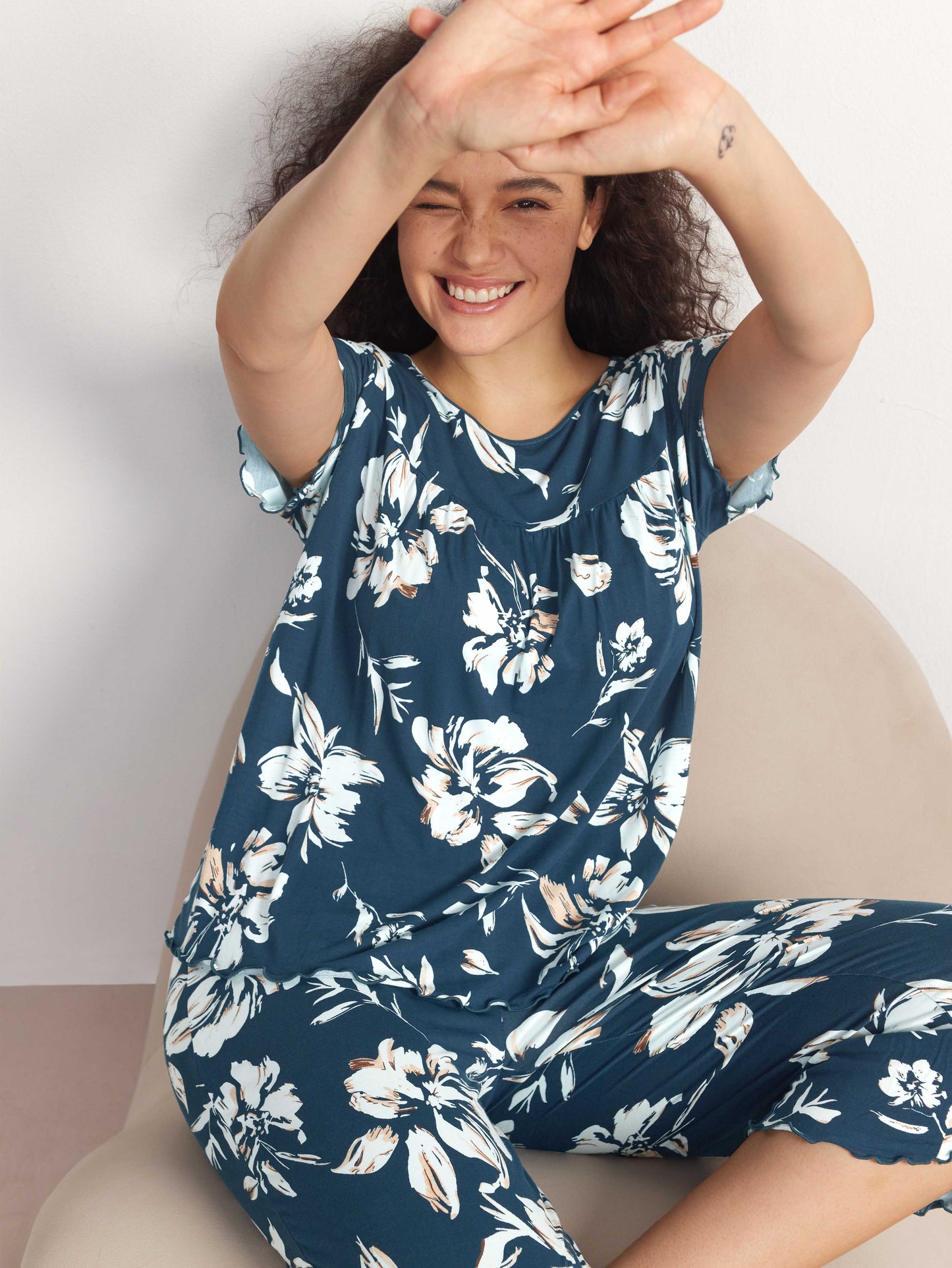
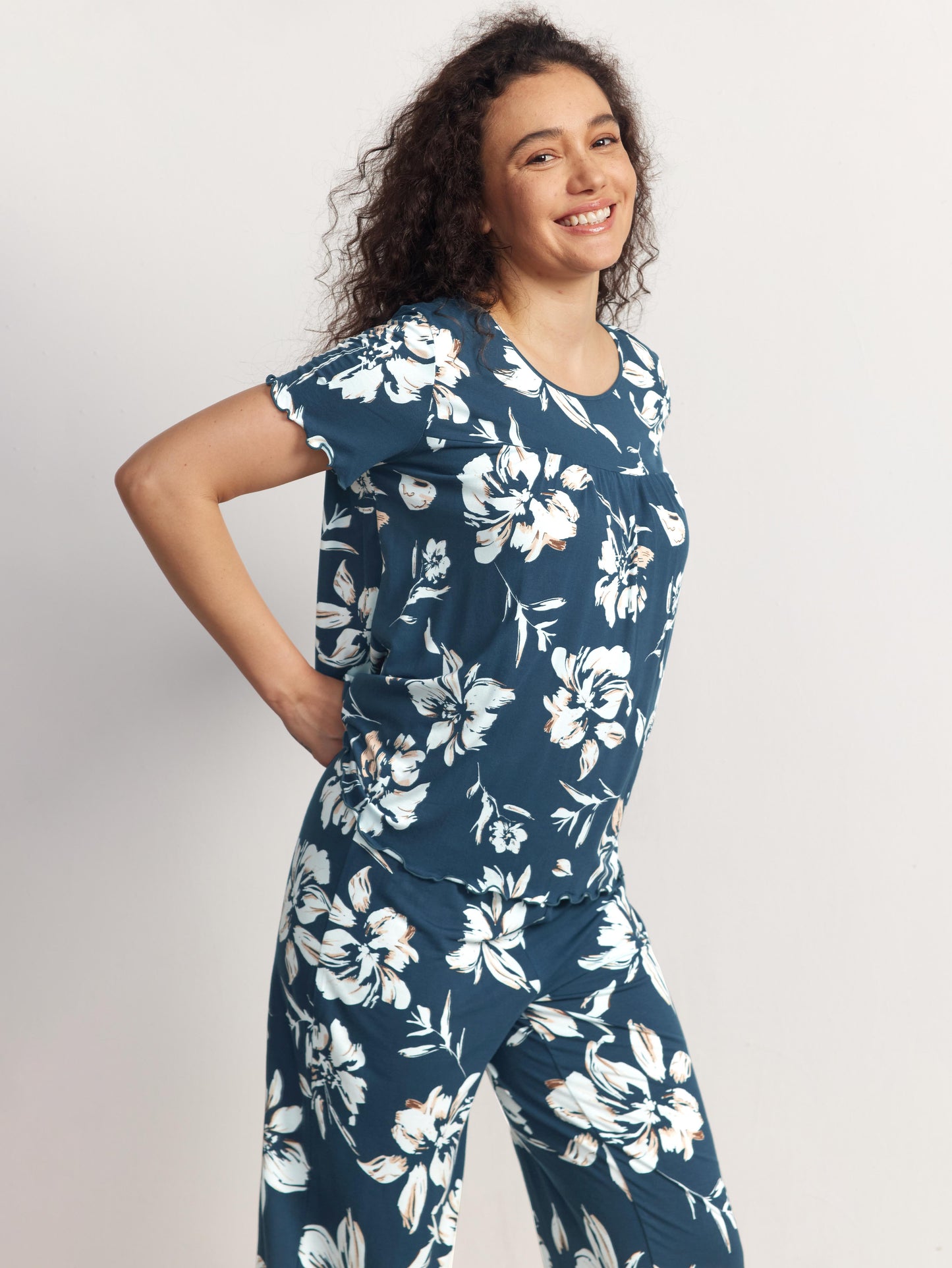
The Premium Collection Has Arrived. More Soft, More Breathable!

Soft Pajamas for Women with Sensitive Skin
Can Sensitive Skin Wear Bamboo Pajamas? From Fiber Structure to Real-Life Comfort
For people with eczema, “hormone-related skin sensitivity”, or simply very reactive skin, choosing sleepwear is no longer a purely aesthetic decision. A rough seam, a synthetic blend that traps sweat, or even a stiff label can be enough. What should be a normal night turns into hours of itching and broken sleep.
This is why bamboo pajamas have become so visible in online discussions: many consumers ask whether bamboo sleepwear for sensitive skin is genuinely gentler, or just another marketing trend. In this article, we look at what the material really is, what dermatology organisations and textile data say, and how to evaluate bamboo pajamas – including collections such as GYS bamboo pajamas – if you live with sensitive or eczema-prone skin.
1. What “bamboo pajamas” really are: viscose from bamboo, not raw stalks
The first step is to clear up the terminology. The “bamboo pajamas” you see on the market are not woven from raw bamboo stalks. In almost all cases, they are made from:
-
Viscose (rayon) is derived from bamboo – a regenerated cellulose fibre; sometimes blended with cotton and a small percentage of spandex for stretch.
Textile labs that compare bamboo viscose and cotton find that bamboo viscose:
-
Has a higher moisture regain (around 11–13% vs. ~8% for cotton) and transports moisture more efficiently through capillary wicking, which helps keep the skin surface drier.
-
Shows a smoother, more rounded cross-section with lower surface friction, contributing to a silk-like, gliding hand feel.
That fibre structure is at the heart of why bamboo viscose is frequently recommended for next-to-skin garments – including underwear, babywear, and pajamas.
However, it is crucial to note that this fabric is chemically processed. As the National Eczema Society explains, bamboo used in clothing is usually “bamboo viscose” produced via a chemical process, which has environmental implications, even though the final material is soft, breathable, and highly absorbent.
2. Is bamboo fabric actually better for eczema and sensitive skin?
There is no single miracle fabric for eczema, but some materials clearly perform better than others.
The National Eczema Society continues to recommend 100% cotton as the classic base fabric for eczema because it is soft, breathable and easy to wash – but it also explicitly lists bamboo as another “soft, breathable material” that is more absorbent than cotton and highly effective at regulating temperature, with properties that can appeal to people living with eczema.
Independent textile data support this:
-
Bamboo viscose has higher moisture absorption and better wicking than cotton, helping remove sweat film from the skin so it cannot overheat or macerate the barrier.
-
Its smooth, low-friction surface (surface roughness around 0.4 μm, compared with higher values for many cotton constructions) reduces mechanical irritation on already-inflamed skin.
For many people with sensitive or eczema-prone skin, the combination of soft hand feel, good moisture management, and breathability is exactly what they describe when they say bamboo pajamas “feel better” against their skin than heavy cotton or synthetic sleepwear.
At the same time, recent reviews of bamboo products for eczema stress that the benefits depend heavily on the quality of manufacturing and finishing. Residual chemicals, harsh dyes, or strong fabric softeners can trigger irritation in some wearers, regardless of the base fibre.
3. Understanding “hypoallergenic”, “antibacterial”, and the reality behind the claims
Marketing language around bamboo pajamas often includes words like “hypoallergenic”, “antibacterial”, and “anti-odour”. It is worth unpacking this carefully from a sensitive-skin perspective.
-
Bamboo fibre naturally contains a compound often referred to as “bamboo kun”, which helps the plant resist pests and is sometimes cited to support antibacterial claims.
-
During viscose processing, much of the original plant structure is changed. That means any antibacterial effect may come more from moisture management (keeping skin drier and less hospitable to bacteria) than from a strong residual antimicrobial chemical in the fibre itself.
Hypoallergenic” is a marketing term, not a strictly regulated medical claim. As dermatology-focused resources emphasise, even fabrics marketed as hypoallergenic can cause contact dermatitis if:
-
Strong dyes or finishing agents are used.
-
The garment is heavily fragranced (e.g., by detergents)
-
The wearer has very reactive or broken skin
From an EEAT point of view, the safe statement is:
Bamboo viscose is generally well tolerated by many people with sensitive skin because it is soft, breathable, and moisture-managing, but it is not automatically safe for everyone. The real difference comes from fabric quality, finishing, and how you care for the garment.
4. Real-world patterns: what sensitive-skin wearers actually complain about
If you scan recent discussions on Reddit, Trustpilot, and specialist eczema communities, the frustrations of sensitive-skin users are very consistent:
-
“New pajamas feel ok at first, then start itching after a few washes.”
-
“Tags, seams, and waistbands are more annoying than the fabric itself.”
-
“Synthetic blends feel clammy and make me sweat, then I itch more.”
In other words, people are not only reacting to fibre content; they are reacting to how the garment is constructed:
-
Unfinished or rough inner seams that rub repeatedly
-
Tight elastic at the waist or cuffs
-
Scratchy labels are placed exactly where the skin is most sensitive.
-
Heavy polyester or nylon content that traps heat and sweat
This is also why many sensory-friendly clothing brands, including those serving autistic or ADHD adults, specifically choose bamboo or bamboo-blend fabrics with flat seams and tagless designs – the combination of ultra-soft hand feel, moisture-wicking, and minimal friction tends to reduce complaints from sensory-sensitive customers.
5. How GYS bamboo pajamas address sensitive-skin needs
On its own website, GYS positions its bamboo pajamas as “buttery soft”, “breathable, moisture-wicking,” and “gentle on sensitive skin”, with a fabric composition that typically combines a very high percentage of bamboo viscose with a small proportion of spandex for stretch.
Looking at product details, you can see several design decisions that are directly relevant for sensitive-skin and eczema-prone wearers:
-
High bamboo viscose content (e.g., 92–95% bamboo viscose, 5–8% spandex) to maximise the natural silky feel and moisture management.
-
Use of COATS low-elastic sewing thread to keep seams strong but less stiff, which reduces concentrated pressure points.
-
Relaxed, “second-skin” fit with drawstring waists and soft waistbands, designed to sit comfortably rather than dig into the abdomen.
For a consumer with sensitive skin, this means bamboo viscose is not the only advantage; the overall garment engineering is aligned with what dermatology and sensory-clothing experts recommend: soft, breathable fabric, reduced friction, and gentle, non-digging construction.
Of course, GYS bamboo pajamas are lifestyle products, not medical devices, and they cannot replace dermatological treatment. But as part of a “low-irritation wardrobe”, they are thoughtfully designed to support skin comfort for long periods of wear at home.
You can review the collection directly at GYS bamboo sleepwear to see specific cuts and fabric blends.
6. Practical checklist: how to choose bamboo pajamas if you have sensitive or eczema-prone skin
If you are considering bamboo pajamas for sensitive skin, use this evidence-based checklist:
-
Check fibre content and weight.
Prefer high-bamboo-viscose content (e.g., 90%+ bamboo viscose) in a light to mid-weight knit. This maximises softness and breathability. -
Inspect seams and labels.
Look for flat seams, minimal inner stitching, and tagless or heat-printed labels. For very sensitive areas (neck, waistband, inner arms), even a small, rough label can be a trigger. -
Avoid heavy perfume and harsh detergents.
Many “reactions to fabric” are actually reactions to fragrance, optical brighteners, or harsh detergents. Choose fragrance-free, dermatology-tested detergents and wash all new bamboo sleepwear before first wear. -
Look for credible safety certifications where available
Standards like OEKO-TEX® Standard 100 test finished textiles for a list of harmful substances. While they are not mandatory, they can be a reassuring signal for very cautious buyers. -
Do a 24–48 hour wear or patch test.
Eczema-oriented resources recommend testing any new fabric by wearing it against a small area of skin before committing. If you notice redness, burning, or itching, stop and discuss with a dermatologist.
7. The bottom line: bamboo pajamas are promising – with smart selection
Taking together textile data, dermatology guidance, and user experiences, we can say:
-
Bamboo viscose offers a very soft, low-friction, breathable, and moisture-managing option that many people with sensitive skin find more comfortable than heavy cotton or synthetic blends.
-
The benefits are maximised when the pajamas are well-made: high bamboo content, thoughtful seam and waistband design, and careful finishing.
-
For highly reactive skin, a cautious, test-and-observe approach is still essential.
If you are building a more skin-friendly home wardrobe, bamboo sleepwear from a specialist brand like GYS can be a strong candidate – especially if you pair it with gentle detergents, eczema-friendly skincare, and a sleeping environment that stays cool and dry.