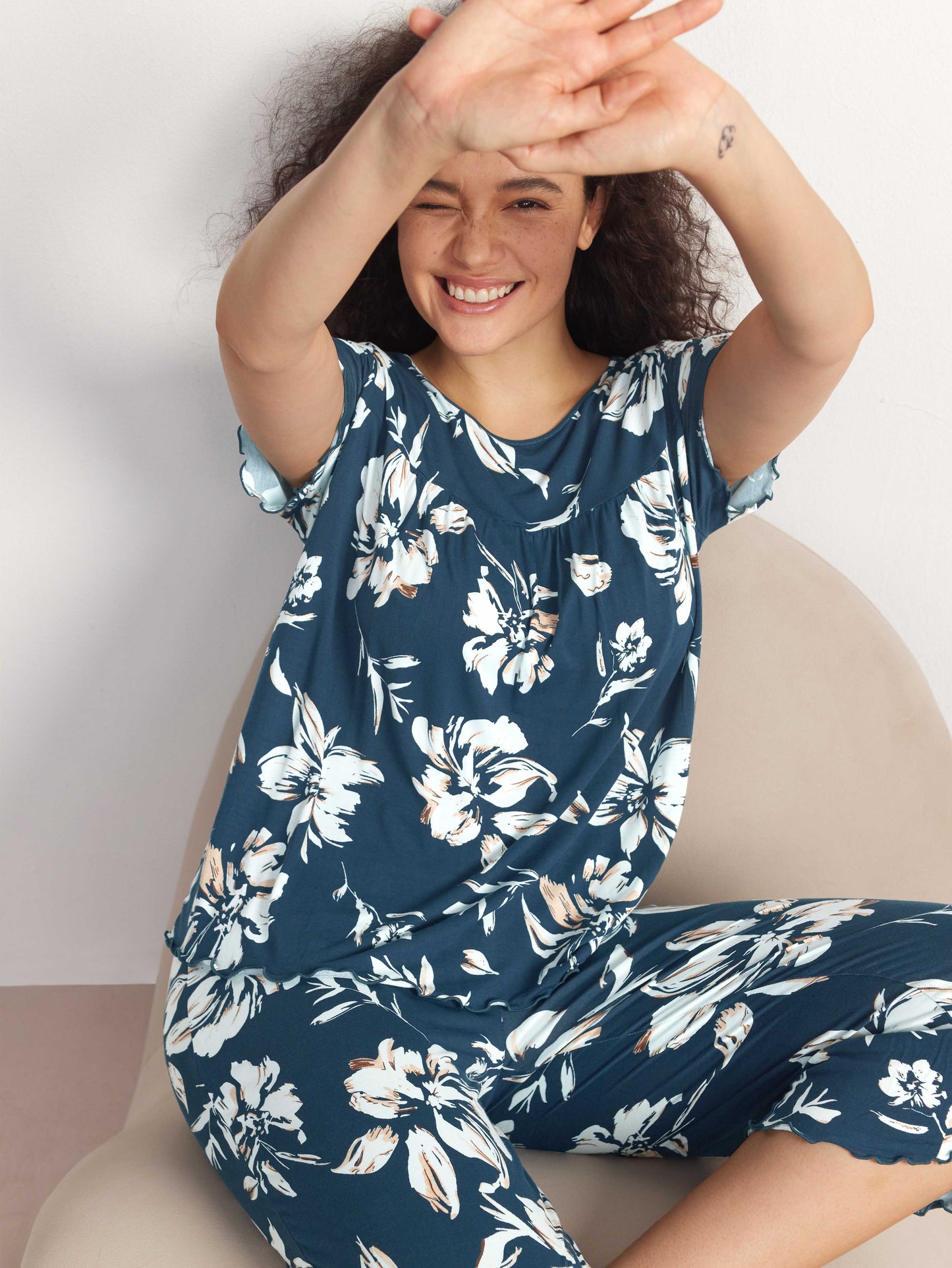
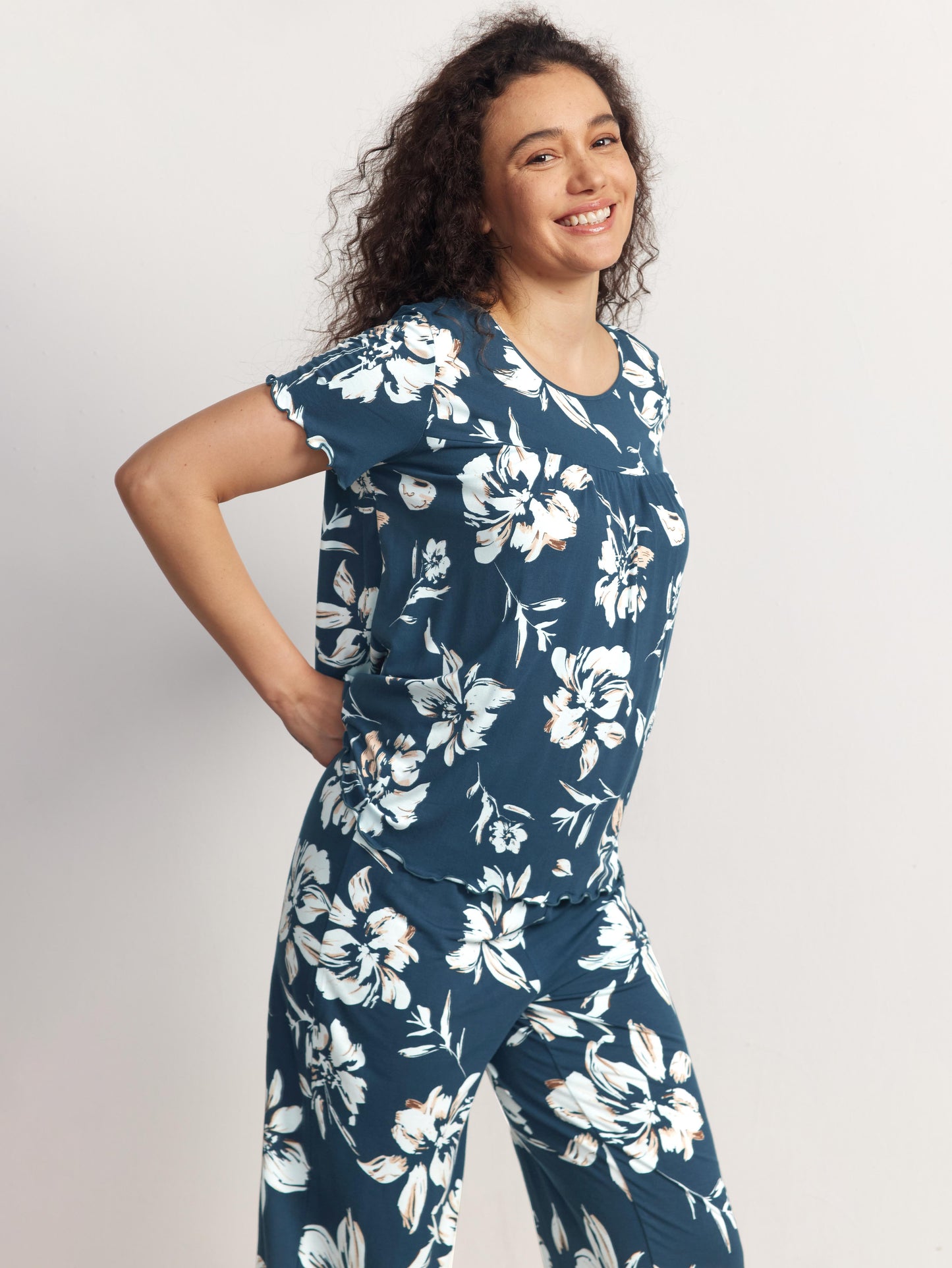
The Premium Collection Has Arrived. More Soft, More Breathable!

How to Choose Bamboo Sleepwear for Hot, Cold & Mixed Sleepers
Some people kick off the duvet every night; others sleep in socks and still shiver. Many rotate between both in the same week – or even the same night. For hot sleepers, menopausal women, and those who experience “cold sweats” (feeling chilled but still sweating), getting the “felt temperature” of sleepwear right matters more than picking a pretty print.
Bamboo pajamas are popular because they promise to regulate temperature better than ordinary cotton or synthetics. But how do you actually choose bamboo sleepwear that fits your body, in your climate, and across different seasons?
This guide walks through how bamboo’s Natural Thermoregulation works, and how to match fabric weight, design, and layering – illustrated with examples from the GYS bamboo pajama range.
1. First, understand your personal “sleep profile.”
Before shopping, it helps to define which of these profiles sounds like you:
● Hot Sleeper
● You frequently wake up overheating, with or without night sweats, even in a cool room. Cold Sleeper
● Your hands and feet are cold, and you often need extra layers or a thicker duvet. Mixed / Menopausal Sleeper
● You swing between hot and cold within one night – hot flushes followed by chills. Cold-Sweat Sleeper
You feel cold but still sweat, especially under heavy bedding or synthetic fabrics. Each profile has slightly different needs, but they all benefit from fabrics that respond quickly to moisture and temperature changes, rather than trapping heat and humidity.
2. Natural Thermoregulation: Why bamboo suits “temperature-sensitive” sleepers
Bamboo viscose fabrics balance two properties that matter most for thermoregulation:
1. High moisture management
Lab tests show bamboo viscose absorbs more moisture and moves it away from the skin faster than cotton, which helps prevent the “wet chill” after sweating.
2. Enhanced breathability
Because of its micro-porous structure, bamboo is often measured as 20–40% more breathable than comparable cotton fabrics, helping warm air and water vapour escape instead of being trapped under your sleepwear.
This combination allows bamboo to function as a Naturally Eco-friendly & Cool to touch material in hot conditions, yet still feels cozy when the room cools down. Some studies on bamboo bedding even report that surface temperatures stay a few degrees cooler than cotton during extended use – an advantage for hot or mixed sleepers.
In the GYS bamboo sleepwear collection, this principle is built into the choice of light, breathable knits that are designed for year-round wear rather than “only for summer”.
3. Matching bamboo sleepwear to your profile
3.1 For hot sleepers and heavy night sweats
Your priority: maximum moisture management and airflow.
Look for:
● Short sleeves or sleeveless tops with loose armholes for ventilation.
● Wide-leg pants or shorts that don’t cling to the thighs.
● Light to mid-weight bamboo jersey described as Moisture-Wicking & Breathable.
A GYS-style bamboo pajama set with relaxed top, wide-leg pants, and a soft, stretchy waistband is ideal: the bamboo fabric wicks sweat away, while the High Stretch & Fluid Drape lets air flow freely between fabric and skin.
Layering tip: Instead of adding a heavy robe, keep a very light bamboo or cotton cover-up nearby for early-morning chills, and rely on a breathable duvet rather than thick blankets.
3.2 For mixed/menopausal sleepers
Your priority: flexibility. You need pieces you can add or remove quickly when hot flushes come and go.
Consider:
● A three-piece bamboo set (tank + long-sleeve top + pants), so you can sleep in the tank and throw on the top when you cool down.
● Designs with front buttons or wrap styles that can be opened for quick ventilation during a hot flash.
● Bamboo fabrics are marketed as “Natural Thermoregulation: Comfort in All Seasons” rather than purely “winter warm”.
GYS bamboo sets with mix-and-match tops and bottoms work well here: you can start the night in a full set and adapt layer by layer as your body temperature shifts, without changing out of your favorite silky-soft, hypoallergenic fabric.
3.3 For cold-sweat sleepers
Cold-sweat sleepers often make the mistake of piling on warmth with thick synthetic pajamas. The result is trapped moisture and more discomfort.
A better strategy:
● Choose full-length bamboo pajamas (long sleeve + long pants) for coverage, but keep the fabric light and breathable.
● Avoid fleece and heavy polyester; instead, pick bamboo that is Moisture-Wicking & Breathable, then add warmth with a breathable duvet or blanket.
The goal is to let sweat escape quickly while your core stays warm – something bamboo does more effectively than most heavy “cozy” materials.
4. Key design details that change how “warm” the same fabric feels
Even within bamboo sleepwear, two sets made from similar fabric can feel very different in real life because of the cut and construction.
1. Silhouette and ease
● Straight or wide-leg pants feel cooler than skinny fits, by allowing more air circulation.
● A slightly A-line nightdress in bamboo with High Stretch & Fluid Drape will feel cooler than a clingy body-con cut in the same fabric.
GYS tends to favour relaxed, loungewear-like silhouettes so that a single set can move from bedroom to living room without looking like you’re “still in pajamas”, while still performing like advanced sleepwear.
2. Neckline and coverage
● V-necks and open collars release more heat from the chest and neck.
● Higher necklines and fitted cuffs retain more warmth, which might suit cold sleepers but not hot ones.
Think carefully about whether you feel overheating mainly around the chest, back, or legs, and adjust coverage accordingly.
3. Construction and seams
For people with sensory sensitivity or easily irritated skin, Silky-Soft & Hypoallergenic is not just about fiber type; it is about details:
● Flat or minimal seams that do not rub when you turn.
● Tagless construction or printed labels instead of sewn-in tags.
● Soft, wide waistbands that do not dig in.
GYS bamboo sets emphasise these comfort details, which makes it easier to use the same pajamas for both deep sleep and relaxed lounging without itching or pressing.
5. Eco-conscious and safety checks when you choose bamboo pajamas
For many consumers, thermoregulation is only one piece of the puzzle; they also care whether bamboo sleepwear is genuinely safer and more sustainable.
When evaluating products (including GYS and other brands), look for:
● Clear fiber descriptions – “viscose from bamboo” or “bamboo viscose” rather than vague “bamboo fabric”.
● Mention of independent certifications such as OEKO-TEX® Standard 100, which helps verify that the finished garment has been tested for a wide range of harmful substances – important for something you wear directly on your skin all night.
● Responsible care instructions (gentle wash, low heat) that help maintain fabric performance over time.
Bamboo viscose production does involve chemicals, so choosing reputable brands that are transparent about sourcing and certification is part of building a sleep wardrobe that is both naturally eco-friendly & cool to touch and aligned with your values.
6. Putting it all together: A simple decision framework
When you are next browsing bamboo sleepwear – whether from GYS or another brand – you can use this quick framework:
1. Start with your profile
2. Hot, cold, mixed, or cold-sweat sleeper? Select fabric & weight
3. Lightweight bamboo jersey for hot or mixed sleepers; mid-weight for colder sleepers who still sweat. Choose a design for airflow
a. Hot: shorter sleeves, looser legs, open necklines.
b. Mixed: modular pieces (tank + long-sleeve + pants).
c. Cold-sweat: full coverage but loose fit.
4. Check the comfort details
Stretch, drape, seams, waistbands – will it really feel like a second skin at 3 a.m.?
5. Review eco & safety signals
Clear fiber naming, responsible brand positioning, and, where possible, credible certifications. If you keep these steps in mind, bamboo sleepwear becomes more than a trendy buzzword. It becomes a thoughtful tool for managing your personal “body thermostat” at night – and brands like GYS, with a focused bamboo pajama range, can be an easy starting point for building that smarter, more responsive sleep wardrobe.