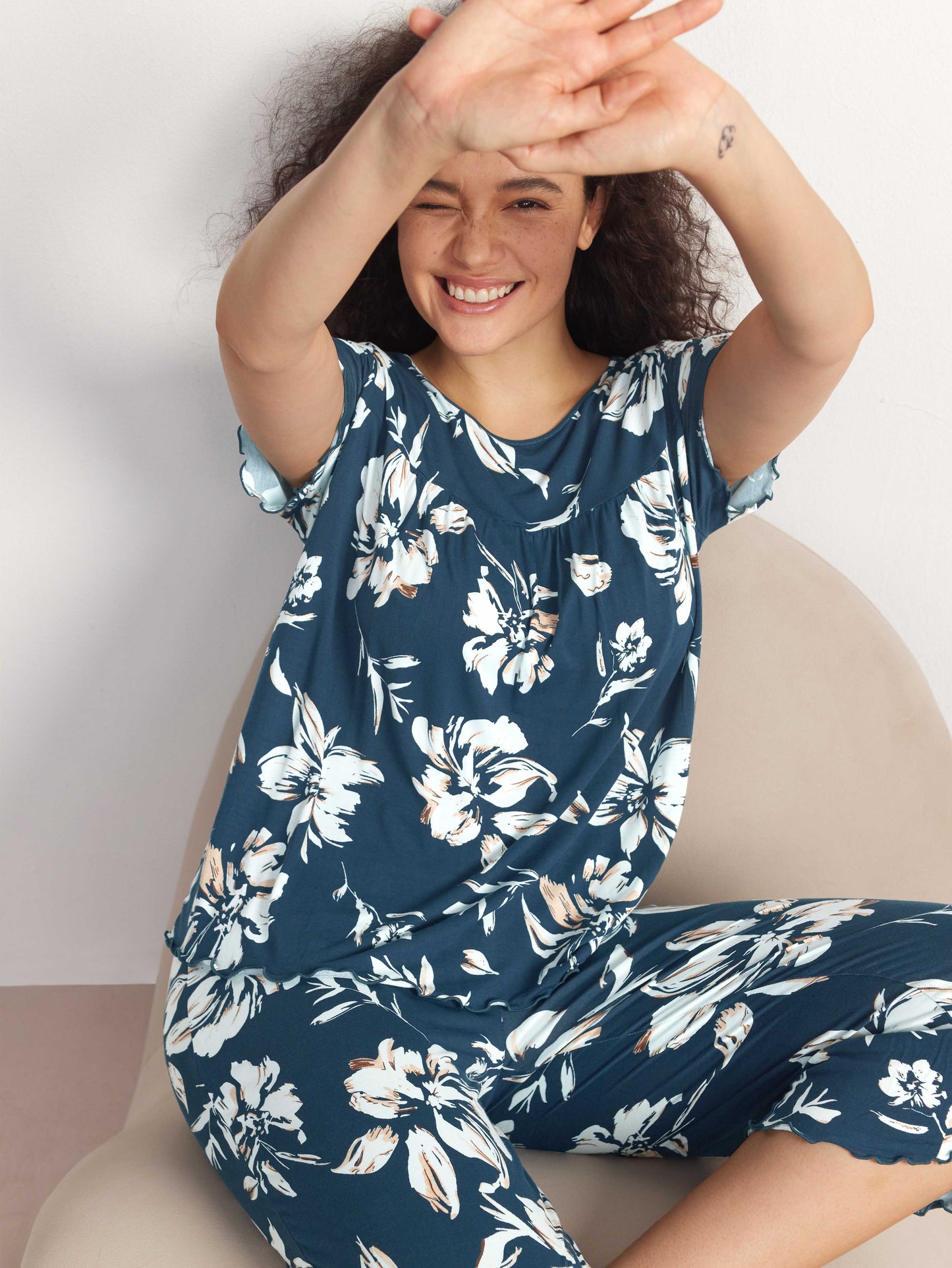
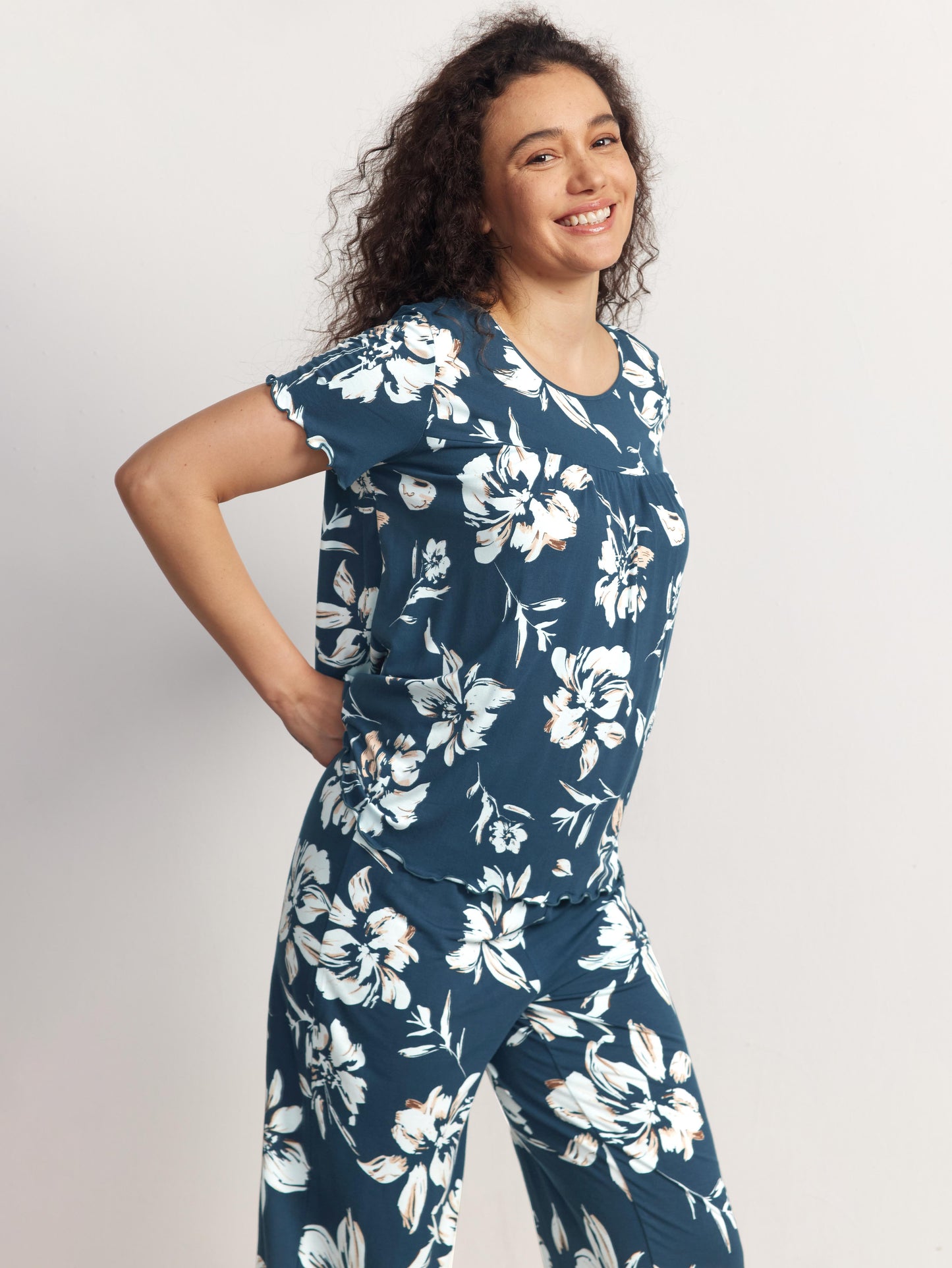
The Premium Collection Has Arrived. More Soft, More Breathable!

How Long Do Bamboo Pajamas Last? The Cost-Per-Wear Math for a Bamboo Fiber Pajama Set
When someone is ready to buy a bamboo pajama set, the price often triggers the real question: “Is this actually worth it long-term?” That’s exactly what customers mean when they ask about pilling, fading, snagging—and whether a set becomes “loose” or “thin” after a couple of years.
Instead of guessing, it helps to treat sleepwear like an everyday performance product. The best way to judge value isn’t the first-night feel (though that matters). It’s: How long will it stay comfortable, presentable, and structurally sound—and what does that translate to in cost per wear?
This article breaks down:
-
What determines the lifespan of bamboo knit pajamas
-
the common failure points (and how to avoid them)
-
a simple cost-per-wear method you can use for any bamboo fiber pajama set
What “lasting” actually means for bamboo sleepwear
A pajama set can “last” in different ways:
-
Comfort longevity: still feels soft, doesn’t irritate skin, doesn’t trap heat
-
Shape longevity: waistband stays stable, knees don’t bag out, seams don’t twist.
-
Appearance longevity: minimal pilling/fading, still looks neat enough to lounge in
For women’s pajamas and breathable bamboo pajamas—which people often wear not just to sleep but also as cooling loungewear—appearance longevity matters more than most brands admit.
The 5 factors that decide how long your bamboo pajamas last
Factor 1: Fabric weight + knit density
Lightweight sets feel airy and are great as summer pajamas or cooling pajamas—but ultra-light fabrics may show abrasion earlier in high-friction zones. Denser knits are more resistant to pilling and stretching, especially in high-friction areas like pants.
The right choice depends on your use pattern:
-
hot sleeper + nightly wear + frequent washing → prioritize stability
-
occasional use + gentle care → lightweight can perform beautifully
Factor 2: Stretch recovery (especially in bamboo pajama pants)
A common long-term complaint is “my pajama pants got saggy” or “the knees bagged out.” That’s usually stretch recovery. Good sleepwear uses a fabric structure that stretches and then returns—so it keeps its drape rather than collapsing.
If you care about shape longevity, pay attention to how the waistband and knee area behave after sitting and moving—not just how it feels standing still.
Factor 3: Construction quality (seams are the real hidden value)
Fabric gets the attention, but construction determines whether the set survives real life. The most frequent “end of life” reasons for pajamas are:
-
seam opening
-
waistband losing integrity
-
twisting and distortion after repeated washing
That’s why “durability” is craftsmanship, not just fiber.
Factor 4: Dye stability (why fading happens)
Color fading is driven by:
-
hot water
-
high heat drying
-
harsh detergents
-
Repeated abrasion (especially from mixed loads)
If you’re buying a luxury pajama set in darker colors, gentle laundering isn’t optional if you want it to look premium after months of wear.
Factor 5: Your wash frequency + your laundry environment
Two people can buy the same bamboo pajamas and have completely different outcomes:
-
Person A washes with delicates, low heat, small loads
-
Person B washes with towels, high heat, and an overloaded drum
Neither is “wrong”—but the lifespan will be different. Your best value comes from matching product choice to your real habits.
Cost-per-wear: the simplest way to judge whether bamboo is “worth it.”
Here’s the formula:
Cost per wear = (Purchase price) ÷ (Number of wears you realistically get)
You don’t need perfect tracking. Use a realistic scenario.
Example A (frequent wearer):
-
You wear a bamboo pajama set 2x per week.
-
That’s ~104 wears per year.
-
If the set stays comfortable and presentable for 2 years → ~208 wears
Example B (rotation wardrobe):
-
You rotate 3 pajama sets.
-
Each is worn ~1–2x per week
-
The “appearance lifespan” often improves because friction and wash cycles are spread out.
What matters is not whether bamboo is expensive. It’s whether the set delivers enough wear with the comfort you bought it for.
How to extend lifespan without “special treatment.”
If you want your bamboo fiber pajamas to perform like an investment piece, focus on three practical habits:
-
Reduce abrasion (wash with soft items, use a laundry bag, avoid overload)
-
Reduce heat (cold wash, low-heat dry, or air-dry)
-
Maintain early (fabric shaver before pilling becomes heavy)
This isn’t about perfection. It’s about preventing the predictable damage mechanisms.
Where GYS fits in (what you should expect from a premium bamboo set)
If your goal is long-term value, look for a brand that treats longevity as a product feature—not just a marketing claim.
GYS positions its bamboo sleepwear around comfort, performance plus stability:
-
Machine Washable & Shape Retention for real-world care
-
Expert Craftsmanship & Durability so seams and structure hold up over time.
-
Breathable & Moisture-Wicking comfort that remains reliable across seasons
You can explore GYS bamboo sleepwear here: https://www.gyspajamas.com/
If you’re trying to build a small rotation of comfortable pajamas that actually earn their keep, it’s usually smarter to buy fewer sets that hold shape and appearance longer—rather than chasing “cheap now, replace later.”
A good bamboo pajama set should not be a one-season fling. With reasonable care and solid construction, you’re buying comfort that repeats—night after night—and the cost-per-wear math tends to favor products that stay soft, stable, and presentable.