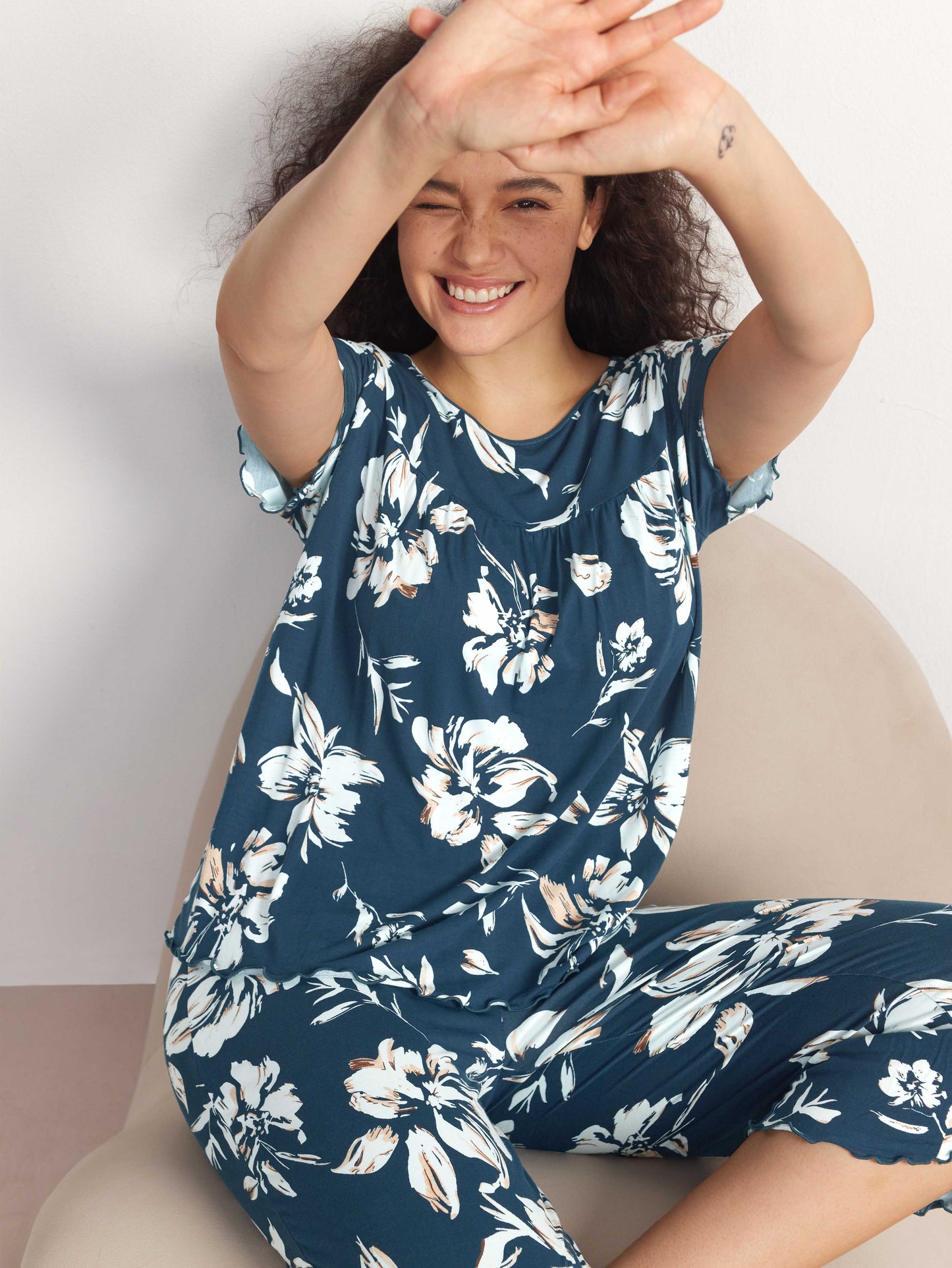
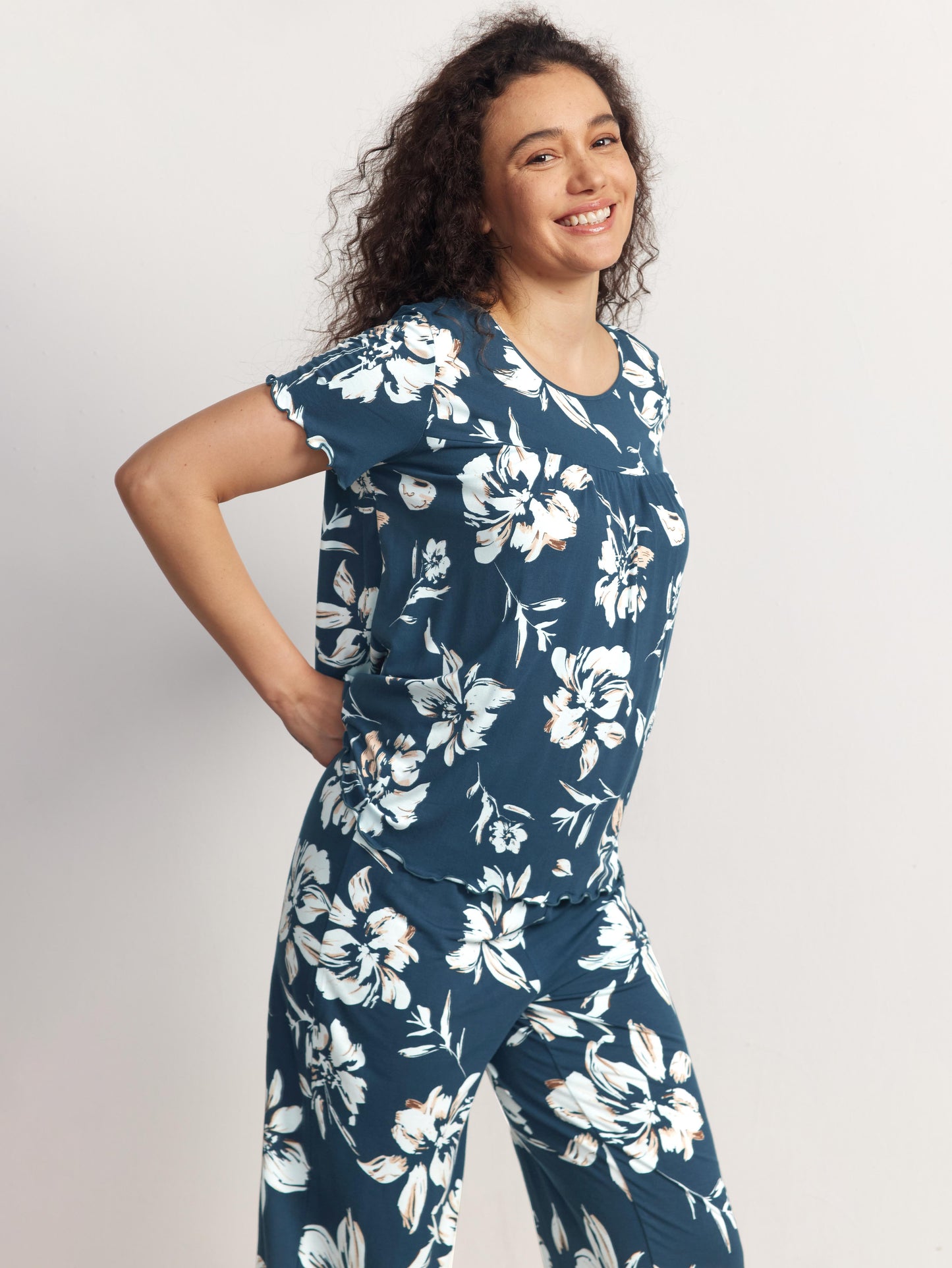
The Premium Collection Has Arrived. More Soft, More Breathable!

Cooling Pajamas and Bamboo Sleep Sets for Sensory-Sensitive Women
Hate Itchy Pajamas? Why Sensory-Sensitive People Fall in Love with Bamboo Nightgowns
For many adults, “comfort” in loungewear means soft fabric and a relaxed fit. But for people with sensory sensitivity – including many autistic or ADHD adults, as well as anyone who simply cannot tolerate scratchy textures – clothing comfort is far more precise.
A single inner label can feel like sandpaper. A slightly stiff seam can become unbearable after an hour on the sofa. Synthetic fabrics that trap heat can trigger a mix of restlessness, anxiety, and irritability. No wonder forums are full of comments like “I cut every tag off my clothes” or “I can only wear one or two brands of pajamas.”
In this context, bamboo nightgowns and bamboo pajama sets are emerging as a favourite among sensory-sensitive wearers. This article explores why – from the physics of fabric friction to real sensory-clothing design principles – and how collections like GYS bamboo sleepwear fit into that picture.
1. Sensory sensitivity and clothing: it’s about more than “itchy” or “not itchy.”
Occupational therapists who work with sensory-sensitive adults and children consistently highlight the same triggers in clothing:
-
Fabric textures that feel rough, squeaky, or “noisy” against the skin
-
Seams, labels, and fastenings that concentrate pressure on specific points
-
Heat and moisture build-up that makes fabrics cling and amplify every small movement
For many people, comfort lies in very specific combinations:
-
Ultra-soft, smooth fabrics that glide instead of drag
-
Flat or minimal seams and tagless labelling
-
Breathable, moisture-wicking materials that keep the body at a stable temperature
This is exactly the design space where bamboo fabrics have gained traction, not only in pajamas but also in sensory-friendly T-shirts, dresses, and socks.
2. Why does bamboo fabric feel different on a sensory level
From a sensory perspective, bamboo viscose has three properties that matter most.
2.1 Ultra-smooth, low-friction surface
Textile tests show that bamboo viscose fibres have a smooth, circular cross-section with few microscopic barbs. This leads to lower surface friction compared with many cotton or synthetic fabrics and produces a hand feel often described as “silk-like”.
For tactile-sensitive wearers, this matters because:
-
The fabric does not “catch” on the skin when you move.
-
Micro-movements of the garment create less sensory noise, so you are less aware of your clothes.
This is exactly why several autism-focused clothing brands deliberately choose bamboo or bamboo-blend fabrics for sensory-friendly T-shirts and dresses – they describe them as “buttery-soft”, “almost seamless against the skin” and “weightless and breathable all day.”
2.2 Moisture-wicking and temperature regulation
Bamboo viscose absorbs more moisture and moves it away from the skin faster than cotton, thanks to its micro-porous structure and capillary wicking.
For sensory-sensitive people who are also temperature-sensitive – frequently too hot, then suddenly chilled – this matters in two ways:
-
Less sweat left sitting on the skin means less clammy cling and fewer “gross” sensations.
-
More stable skin temperature reduces overall sensory load: you are less likely to be distracted by feeling hot, sticky, or shivery.
Several sensory-clothing guides now list bamboo alongside cotton, modal, and TENCEL™ as one of the best fabrics for sensory-sensitive people because of this combination of softness and thermoregulation.
2.3 Natural stretch and fluid drape
When bamboo viscose is blended with a small amount of spandex, it gains a high-stretch, fluid drape that “hugs without squeezing”. For people who like gentle, all-over pressure but hate tight waistbands, this is ideal: the fabric can provide a subtle “hugging” sensation without rigid structure.
GYS bamboo nightgowns and pajama sets use exactly this construction – a high percentage of bamboo viscose plus a modest amount of spandex, in flowing cuts designed for lounging as much as sleeping.
3. Bamboo nightgowns vs. traditional pajamas for sensory-sensitive adults
For many sensory-sensitive women, bamboo nightgowns are a particularly appealing format:
-
No waistband at all – which removes a common point of irritation.
-
Fewer seams than two-piece sets, especially around the abdomen and hips.
-
A continuous “curtain” of fabric that drapes lightly over the body.
When that nightgown is made from bamboo sleepwear fabric – silky, breathable, moisture-wicking – it can feel closer to a soft, cool “cloud” than a garment.
Compared with traditional woven cotton or flannel gowns:
-
Bamboo nightgowns are usually knitted, not woven, which gives greater stretch and a more forgiving fit.
-
The surface feels cooler and more fluid, whereas flannel can feel “grabby” or heavy, especially in warmer rooms.
This is why many adults who “hate feeling fabric on their body” end up preferring bamboo nightgowns or oversized bamboo T-shirt dresses as their default homewear.
4. How GYS designs for “itch-free, distraction-free” home comfort
If we look at GYS’s bamboo collections through a sensory lens, several design choices stand out:
-
Buttery-soft bamboo viscose blends (around 92–95% bamboo viscose with 5–8% spandex) that feel smooth and cool even on first touch.
-
Coats low-elastic yarns in stitching to keep seams strong but flexible and less bulky.
-
Relaxed, drapey silhouettes: wide-leg pants, flowing tops, and shirt-dress styles that move with you instead of against you.
-
Designs that can go from “bed to living room to answering the door” without looking like old sleepwear – which is important for sensory-sensitive people who want to stay in their most comfortable clothes all day.
In practice, this means a GYS bamboo nightgown or short-sleeve pajama set not only appeals to hot sleepers and sensitive skin; it also checks many boxes defined by sensory-clothing experts: ultra-soft fabric, minimal friction, breathable, and engineered for low irritation around seams and waistbands.
5. Choosing sensory-friendly bamboo sleepwear: what to look for
If you are actively searching for bamboo pajamas for sensory sensitivity, you can use the following framework:
5.1 Fabric and construction
-
Prefer high bamboo viscose content with a small amount of spandex for stretch (similar to GYS’s blends).
-
Check that the fabric is described as “soft”, “silky”, “buttery” rather than crisp or structured – you want drape, not stiffness.
-
Look for flat seams, or at least seams that are not bulky or over-engineered.
5.2 Labels, tags, and hardware
-
Tagless or printed labels are ideal; if there are tags, make sure they are easy to cut off cleanly.
-
Avoid metal zips or hard buttons on areas that press into the skin when you lie down – another reason nightgowns and pull-on sets work so well.
Several sensory-clothing brands highlight “no scratchy tags or seams” as a core feature for bamboo T-shirts and dresses; this is the same philosophy you want in bamboo nightwear.
5.3 Fit and pattern
-
If you like “light compression”, choose a closer fit in a high-stretch bamboo knit.
-
If you are touch-avoidant, choose oversized, flowing fits like bamboo nightgowns or relaxed GYS pajama sets with wide legs and generous tops.
6. Practical strategies for transitioning into bamboo nightgowns and pajamas
For many sensory-sensitive adults, any change in clothing can be stressful, even a positive one. You can make the transition into bamboo sleepwear smoother by:
-
Starting with home time, not outside time
First, wear your new bamboo nightgown or pajama set only at home, in low-stress moments. Let your body get used to the new texture in a safe environment. -
Layering over familiar pieces at first
Some sensory specialists recommend layering new garments over a familiar base layer. For example, you might wear a favourite cotton tank under a bamboo nightgown initially, then drop the layer once your skin has adapted. -
Noticing your body signals
If you find yourself fidgeting less, pulling at seams less, or forgetting you are wearing clothes at all, that is a strong sign that the fabric and cut are working for your sensory profile.
When you find a bamboo style that works – for many, this is an oversized bamboo nightgown or a loose bamboo pajama set with a drawstring waist – it often becomes a “default uniform” for home, because the sensory load drops so much compared with more structured or synthetic loungewear.
7. The bigger picture: sensory-aware homewear as self-care
Sensory comfort is not a luxury. For autistic, ADHD, and otherwise sensory-sensitive adults, it is a daily foundation for emotional regulation, sleep quality, and overall well-being.
Bamboo fabrics, and especially bamboo nightgowns and pajama sets, offer a powerful combination:
-
Ultralow surface friction and buttery softness
-
Excellent breathability and moisture-management for temperature-sensitive bodies
-
The ability to engineer tagless, low-seam, high-stretch designs that feel like “almost nothing.”
Brands like GYS, with a focused bamboo sleepwear range and clearly defined fabric technologies, make it easier to build a small, reliable wardrobe of sensory-friendly, skin-friendly homewear that you can live in – not just sleep in.
If you recognise yourself in the phrase “I hate feeling my clothes”, exploring bamboo sleepwear for sensory sensitivity – starting with one well-made bamboo nightgown or pajama set – can be a pragmatic and surprisingly impactful form of self-care.