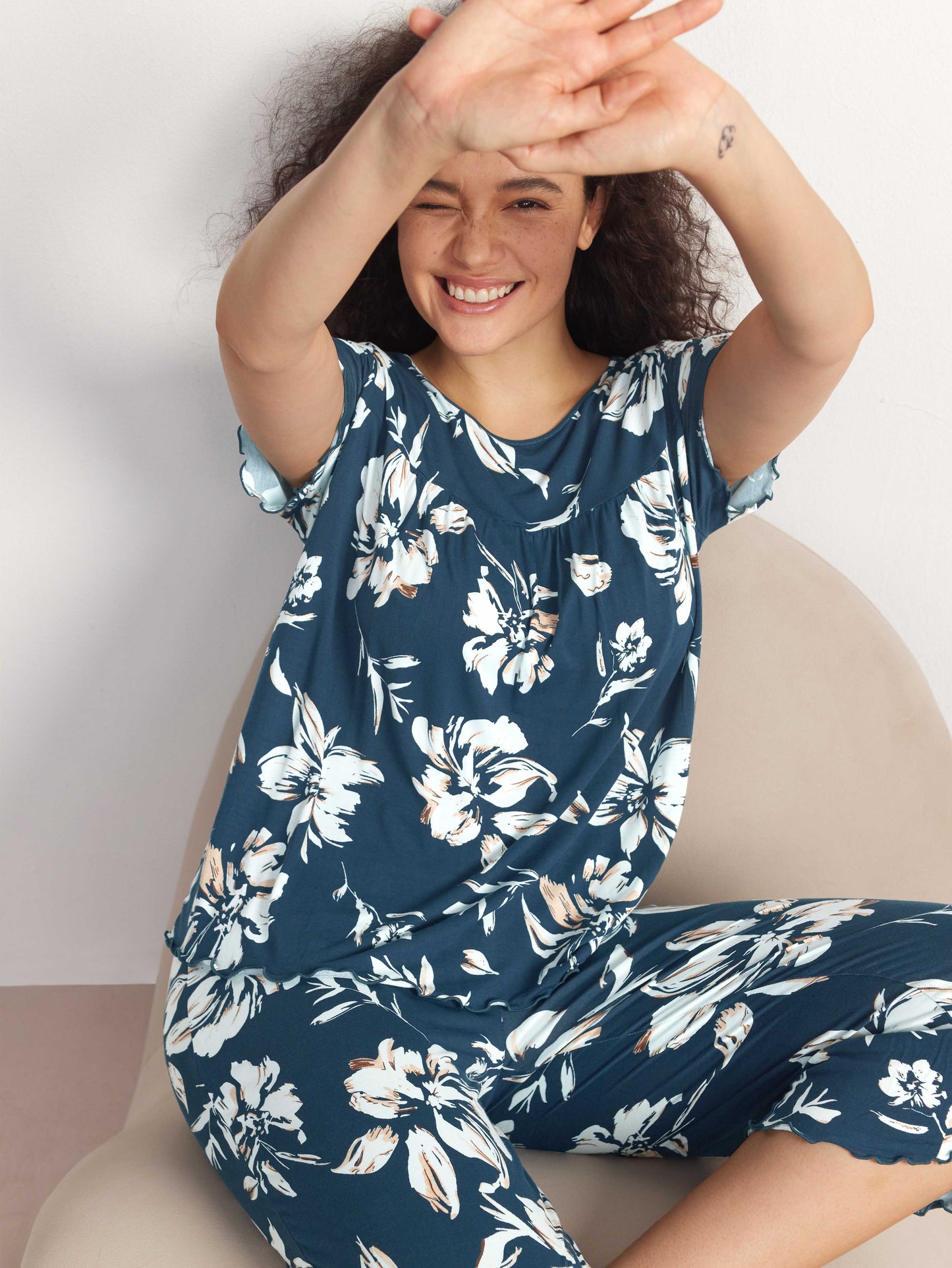
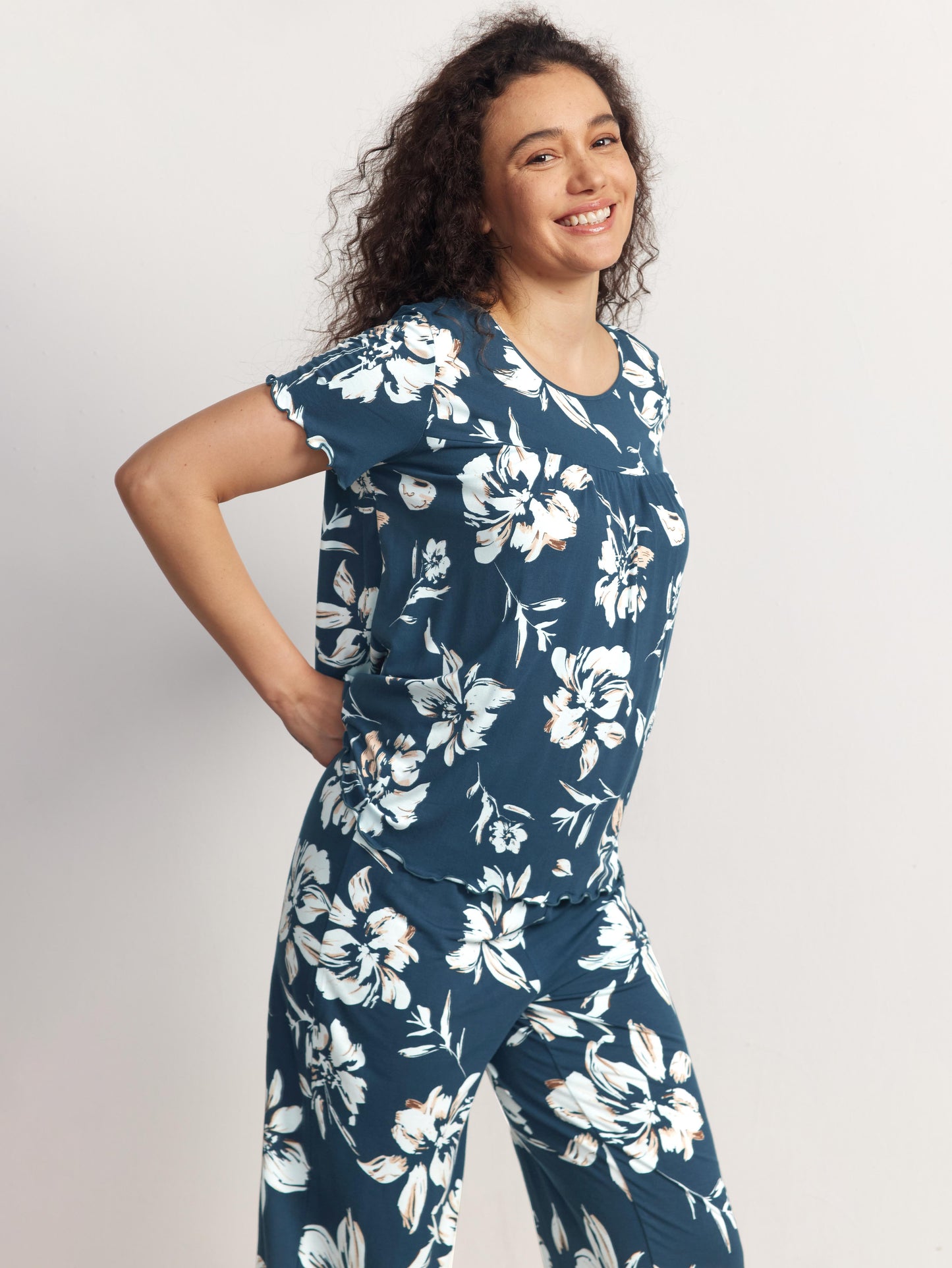
The Premium Collection Has Arrived. More Soft, More Breathable!

Cooling Bamboo Pajamas for Night Sweats (Menopause & Hot Sleepers): The Complete Guide
If you’re searching for cooling pajamas or even typing “best pajamas for night sweats” at 2 a.m., you’re not alone. Over the past year, most discussions in the bamboo sleepwear space cluster around one thing: comfort when the body won’t regulate temperature—especially for menopause night sweats, hormonal fluctuations, medication side effects, or “hot-but-cold” mixed sleep.
This guide brings the conversation together in one place—without buzzwords, without greenwashing, and with practical advice you can use tonight.
1) Night sweats aren’t just “sleeping hot”: when fabric helps—and when you should get checked
Night sweats are typically defined as sweating heavily during sleep, even when the room is cool. They can be triggered by menopause, anxiety, certain medications, low blood sugar, infections, and other causes. If night sweats are frequent, disrupt sleep, or show up with symptoms like fever or unexplained weight loss, it’s worth speaking with a clinician.
Where pajamas fit in: fabric can’t treat the underlying cause, but it can reduce sleep disruption by managing heat + moisture at the skin level—so you wake up less, and fall back asleep faster.
2) What actually makes “cooling pajamas” feel cooling?
A “cooling” feel usually comes from a combination of:
-
Moisture management: sweat is pulled off the skin and spread across the fabric to evaporate faster.
-
Breathability: air exchange reduces that sticky, trapped-heat feeling.
-
Handfeel + friction: if fabric clings when damp, it feels hotter—even if it’s technically breathable.

Bamboo viscose (rayon made from bamboo) as a cooling pajama fabric
Most “bamboo pajamas” on the market are viscose/rayon made from bamboo, not raw bamboo fiber. In the U.S., the FTC explicitly requires correct naming (e.g., “rayon made from bamboo” / “viscose made from bamboo”), and warns brands not to imply unproven antimicrobial benefits.
That said, viscose/rayon fabrics are popular for sleepwear because many people experience them as:
-
soft and smooth (less irritation)
-
comfortable in warmth (less “plastic” feel than some synthetics)
-
pleasant drape (less cling in movement)
Practical translation: if your goal is cooling pajama sets that feel breathable and not sticky, bamboo viscose can be a strong option—as long as the garment is engineered and cared for correctly.
3) Menopause, hot flashes, and “hot-but-cold” mixed sleepers: how to choose fabric + design
Hot flashes and night sweats are common during menopause, often linked to hormonal shifts that affect thermoregulation.
What to look for (beyond “bamboo” on the label)
A) Construction matters as much as fiber
-
Looser, breathable cuts reduce cling.
-
Smooth seams + tag strategy matter for sensory-sensitive sleepers (more on that below)
-
Stretch recovery helps prevent the fabric from bagging (which can increase friction points)
B) Layer logic beats “one perfect pajama.”
If you swing between feeling hot and chilled, prioritize layerable sleep systems:
-
short sleeve top + breathable pant
-
or nightgown + light robe
-
or pajama set + removable blanket layers
This aligns with practical clinical advice too: wearing moisture-wicking pajamas and avoiding non-breathable synthetics can help comfort while you address root causes.
4) Sensitive skin, eczema, and sensory sensitivity: why “soft” isn’t enough
In real user discussions, “soft” often means: no itch, no scratch, no cling, no seam irritation—especially for eczema-prone skin or sensory sensitivity.
Reputable eczema guidance emphasizes that wool and many synthetics can trigger overheating/sweating and irritation, while softer, breathable materials can improve comfort; it also calls out seams, threads, and fastenings as common irritants.

What to look for in “bamboo pajamas for sensitive skin.”
-
Silky handfeel (low friction)
-
Clean seam finishing
-
No harsh chemicals next to skin (verified)
This is where certification matters. OEKO-TEX® STANDARD 100 tests textile products for harmful substances and sets stricter requirements for items with more direct skin contact.
5) “Is bamboo sleepwear eco-friendly—or just marketing?”
This is the most emotionally charged topic in the space, and for good reason.
The honest answer
-
Bamboo, as a plant, grows fast, but most bamboo sleepwear fabric is made through a chemical process to create rayon/viscose.
-
The FTC has taken enforcement actions against companies for misleading “bamboo” claims and deceptive green marketing.
A clearer way to evaluate sustainability
Instead of trusting “eco-friendly bamboo” as a blanket claim, ask:
-
Is the fiber labeled accurately? (“viscose/rayon made from bamboo”)
-
Is there a credible safety standard? (e.g., OEKO-TEX STANDARD 100)
-
Is there transparency on sourcing/process? (If a brand claims “closed-loop” lyocell, it should be explainable and verifiable—not vibes)
6) Where GYS fits naturally (and how to shop the right piece)
If your priority is night sweats relief + soft next-to-skin comfort, you want sleepwear built around moisture management, softness, and stable fit.
On GYS, a representative example is the GYS Premium™ Bamboo Men NightFlow Pajama Set, which lists 92% bamboo viscose + 8% spandex, designed for breathable comfort and stretch recovery, and notes durability details (including COATS sewing thread) plus a structured care approach.
Browse the collection and choose by sleep pattern (hot sleeper, mixed sleeper, sensory-sensitive) at: https://www.gyspajamas.com/
Quick matching guide
-
Hot sleepers/menopause night sweats: breathable set + easy layering (short sleeve / capri / nightgown)
-
Sensitive skin / sensory sensitivity: prioritize silky handfeel, minimal irritation points, verified safety standards
-
Mixed sleepers: choose adjustable layers and avoid heat-trapping synthetics