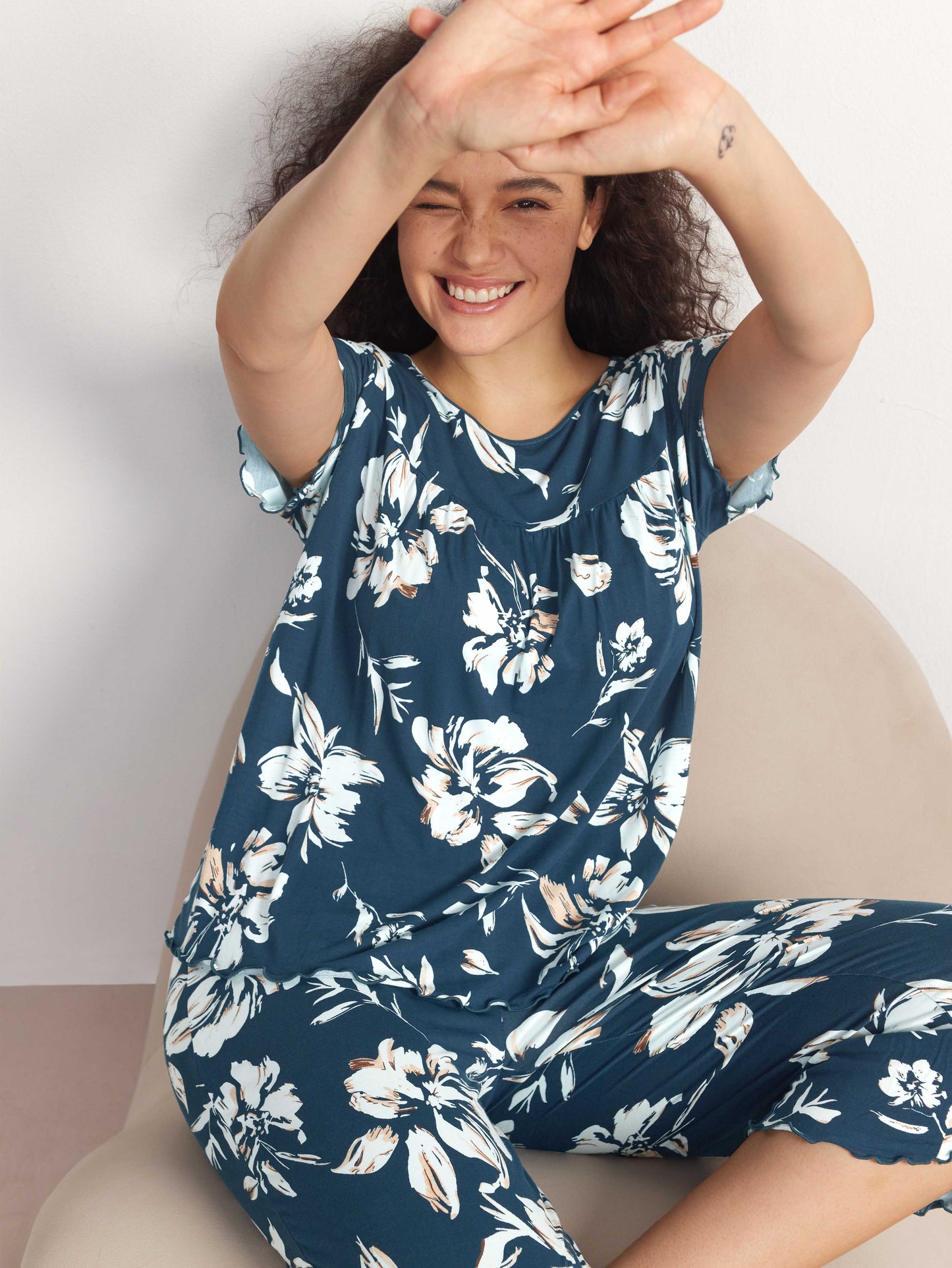
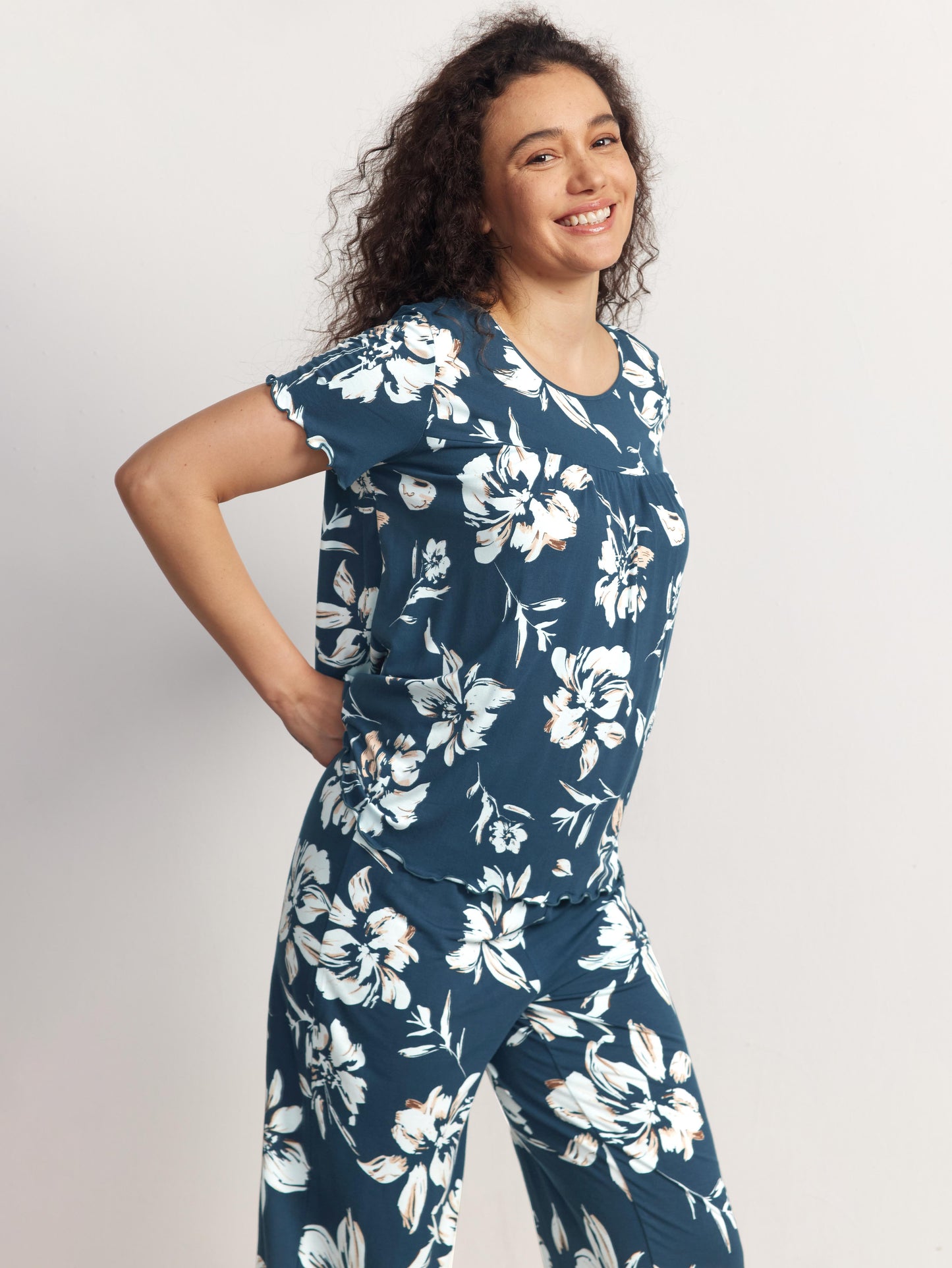
The Premium Collection Has Arrived. More Soft, More Breathable!

Bamboo Viscose vs Lyocell: The Truth About Bamboo Pajamas
If you have ever searched for bamboo pajamas or breathable bamboo sleepwear, you have probably noticed that the label rarely says just “bamboo”. Instead, you see terms like bamboo viscose, rayon from bamboo, bamboo lyocell, bamboo linen, or bamboo-cotton blends. For many shoppers, it is hard to know what any of this really means — especially when every brand claims to be “eco-friendly” and “buttery soft”.
In this guide, we will unpack what is actually behind those names, how each fabric performs in real life, and how brands like GYS choose the right bamboo fabrics for cooling, odor-resistant pajamas that genuinely feel good on the skin and on your conscience.
1. Why “bamboo” on the label doesn’t tell the whole story
“Bamboo” itself is a plant, not a fabric. To become a fabric, bamboo has to go through either:
-
Mechanical processing – bamboo stalks are crushed, combed, and spun into a linen-like fiber (similar to flax).
-
Chemical processing – bamboo is dissolved into pulp and then regenerated as a smooth filament, which we know as viscose/rayon or lyocell.
Most bamboo sleepwear on the market today is chemically processed, which is why you see names like “viscose from bamboo”, “rayon from bamboo”, or “bamboo lyocell” on the fiber content label rather than just “bamboo”. In some regions, regulators even require accurate labeling using “viscose” or “rayon” when the fabric is created through chemical treatment, to avoid misleading eco-claims.
Understanding these terms is the first step to deciding which bamboo pajamas and bamboo nightgowns are right for you.
2. Bamboo viscose / “rayon from bamboo”: the most common bamboo pajama fabric
How it’s made
Bamboo viscose (or “rayon from bamboo”) is a regenerated cellulose fiber. Manufacturers chip bamboo, convert it into pulp, dissolve it using chemicals such as sodium hydroxide and carbon disulfide, and then extrude it through spinnerets to form fibers.
Historically, viscose production has been criticized for:
-
High water and energy consumption
-
Toxic solvents and wastewater when factories operate in an “open-loop” system
-
Health risks to workers if carbon disulfide is not properly controlled
However, newer closed-loop viscose systems can recover a large share of chemicals and treat effluent properly, reducing emissions and improving safety. Some modern bamboo viscose mills now recover most of their solvents and significantly cut water use compared with conventional viscose.
How it feels and performs in sleepwear
When done well, bamboo viscose has a very attractive performance profile for pajamas:
-
Exceptionally soft, “second-skin” handfeel – it drapes and flows around the body rather than sitting stiffly.
-
High breathability & moisture-wicking – regenerated bamboo fibers can absorb more moisture than cotton and move it away from the skin, helping you stay dry and cool.
-
Naturally biodegradable – unlike synthetic fibers such as polyester, bamboo viscose is based on cellulose and can break down at the end of its life.
For hot sleepers or anyone dealing with night sweats, this matters. A buttery soft bamboo pajama set or breathable bamboo pajamas can dramatically reduce that “stifling, sweaty, sticky” feeling caused by more occlusive fabrics.
At GYS, we lean into these strengths by using high-quality bamboo viscose in many of our women’s bamboo pajama sets, bamboo nightgowns, and bamboo pajama pants. The goal is simple: create cooling, moisture-wicking sleepwear that still feels elegant enough to walk from the bedroom to the living room without changing.
3. Bamboo lyocell: next-generation bamboo fabric with a cleaner process
If you see “bamboo lyocell” on a label, you are still looking at a regenerated bamboo fabric — but the process is different.
Closed-loop production
Bamboo lyocell uses an organic solvent (NMMO) to dissolve bamboo pulp in a closed-loop system. This system recovers and reuses about 99% of the solvent and a large portion of process water, dramatically cutting chemical discharge compared with classic viscose lines.
Because of this, bamboo lyocell is widely recognized as one of the most sustainable cellulose fabrics available today, often comparable to or better than wood-pulp-based lyocell from well-known brands.
Feel and durability
In practical terms, bamboo lyocell offers:
-
A silky, cool touch that many people prefer to even high-thread-count cotton
-
Excellent moisture management and thermoregulation, ideal for hot sleepers and humid climates
-
Higher wet strength and reduced pilling compared with standard viscose, which helps your favorite bamboo pajama sets look smooth and fresh for longer
The trade-off is cost: closed-loop plants are technically demanding and expensive, so bamboo lyocell garments typically command a higher price. For shoppers building a sustainable sleepwear wardrobe, investing in one or two premium bamboo lyocell sets can still make sense because of their long life and comfort.
4. Bamboo linen: the rare, mechanically processed option
Bamboo linen is closer to traditional linen. It is made by mechanically crushing bamboo stalks and combing out the fibers rather than dissolving them chemically. This method is:
-
More labor-intensive and costly, which is why bamboo linen is relatively rare
-
Potentially very eco-friendly, as it avoids harsh solvents
-
More textured and crisp to the touch – think of a summer linen shirt rather than a silky nightgown
You may occasionally see bamboo linen used in summer pajama women's collections or breezy loungewear, where a slightly rustic handfeel is desired. It is a good option if you prioritize mechanical processing and do not mind a less “buttery soft” texture.
5. Bamboo blends: when “bamboo” is only part of the story
Many products marketed as bamboo pajamas are actually blends, for example:
-
Bamboo viscose + cotton
-
Bamboo viscose + polyester
-
Bamboo viscose + spandex (for stretch)
Blends are not necessarily bad. A small amount of elastane can give women’s pajama pants or women’s lounge pants better recovery and movement. Cotton can add body and a familiar feel.
However, if you care about cooling performance and moisture-wicking, it is worth checking the percentage. When bamboo content drops too low, you lose much of the “dry and cool all night” advantage that attracted you to bamboo in the first place.
6. How to read labels and avoid greenwashing
Here are a few simple checks to separate genuine value from marketing:
-
Look at the fiber name, not just the headline.
-
Clear: “95% viscose from bamboo, 5% spandex” or “100% bamboo lyocell”.
-
Vague: “bamboo fabric” with no further information. Regulators in some markets now expect accurate naming, especially when bamboo has been chemically processed.
-
-
Look for safety and sustainability certifications.
Indicators such as OEKO-TEX® Standard 100 or equivalent chemical-safety certifications help ensure the fabric is free from harmful substances, which matters for something you wear next to your skin all night. -
Check how the brand talks about its supply chain.
Brands that invest in better mills and closed-loop technologies will usually communicate this. If there is no information beyond “eco-friendly bamboo”, be cautious.
7. What this means for GYS bamboo pajamas
At GYS, our focus is not just on what sounds good in a headline, but on how the fabric actually behaves on your body and over time. That is why our bamboo pajama sets and bamboo nightgowns are designed around three priorities:
-
Skin comfort and health
-
Silky soft, hypoallergenic feel for sensitive skin
-
Certified safe dyes and fabrics, so you can wear them as a “second skin” night after night
-
-
Thermoregulation & moisture management
-
Breathable, moisture-wicking knit structures that help hot sleepers and women with night sweats stay dry and comfortable
-
All-season performance: bamboo thermal pajamas or light summer styles that adapt to temperature changes, instead of leaving you too hot or too cold
-
-
Longevity & real sustainability
-
Fabrics that resist pilling and hold their shape, even with machine washing
-
Elegant drape and anti-static performance, so your bamboo lounge sets look good from bedroom to doorstep
-
If you are exploring bamboo for the first time and want a simple starting point, try a buttery soft bamboo pajama set from GYS (gyspajamas.com). From there, you can decide whether you prefer the extra luxury of bamboo lyocell, the everyday ease of bamboo viscose, or a hybrid approach across your sleepwear drawer.