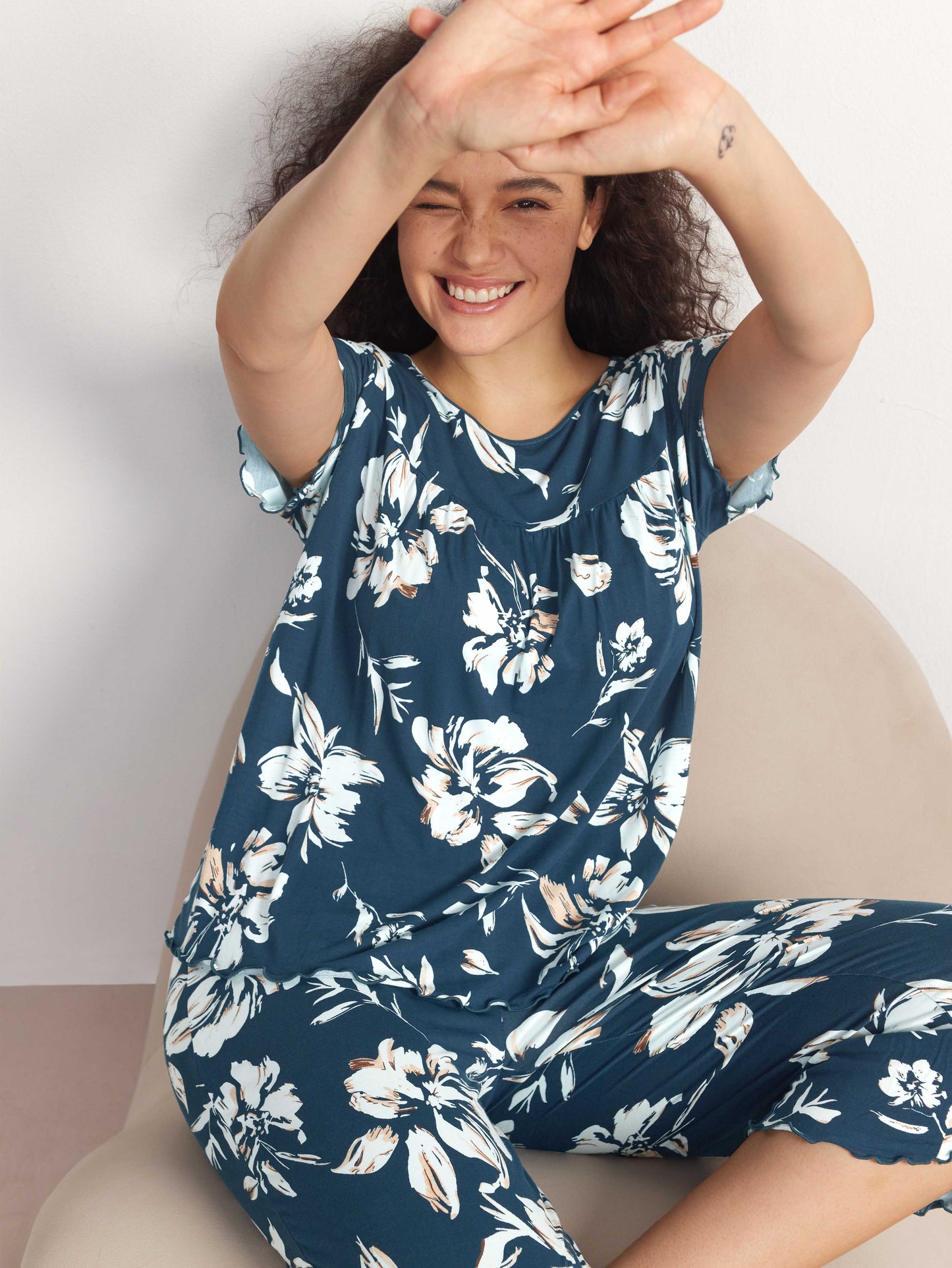
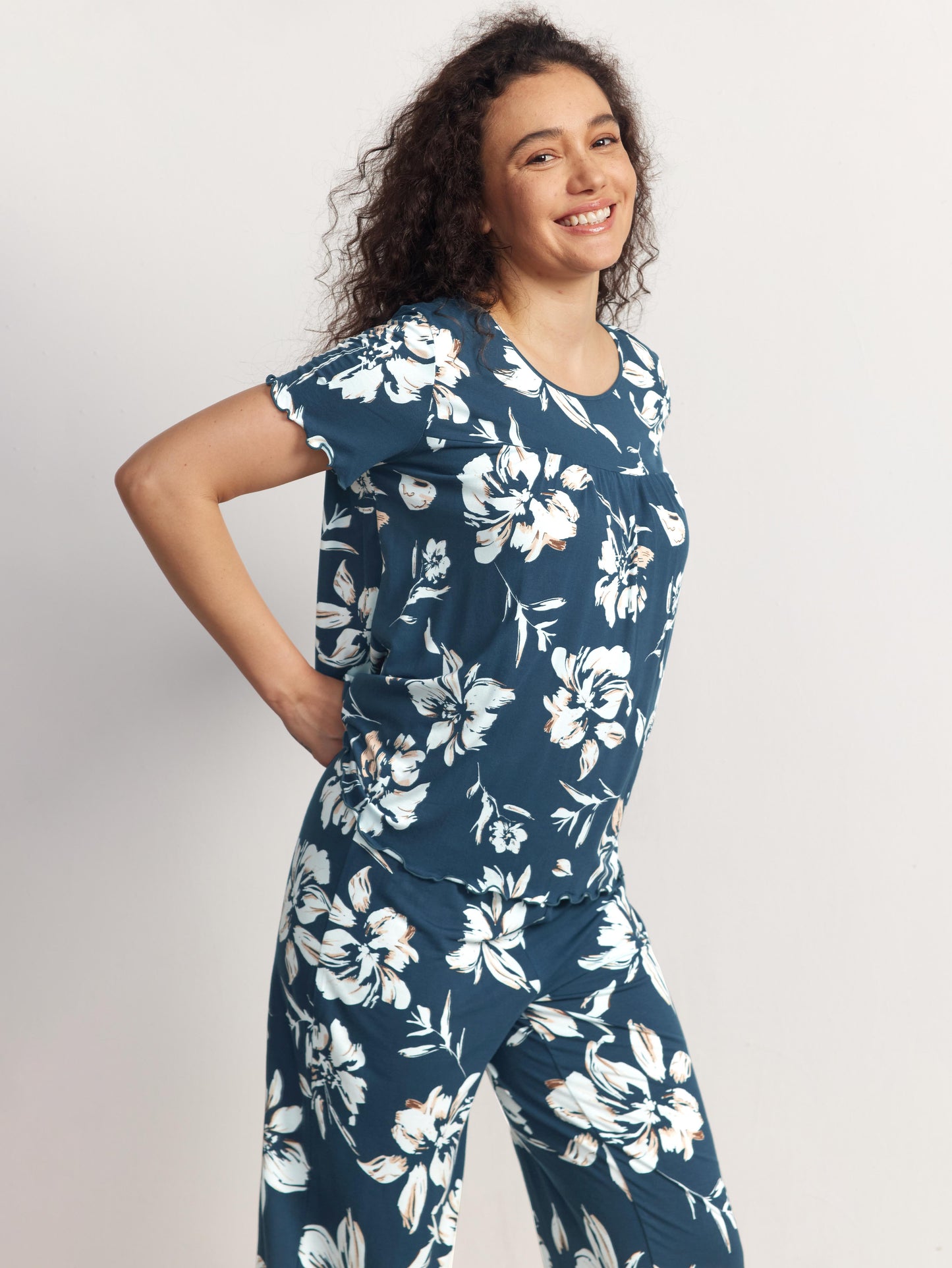
The Premium Collection Has Arrived. More Soft, More Breathable!

Bamboo Pajamas Size Guide: Finding the Right Bamboo Pajama Set for Petite, Tall, and Plus Size Pajama Sets
Buying bamboo pajamas sounds simple—until you’re staring at a size chart at midnight, wondering whether the top will fit but the pants will be too long, or whether the waistband will feel tight once you actually lie down.
That exact frustration shows up again and again in real customer conversations: “Is the sizing normal?” “Why does the shirt fit, but the bottoms don’t?” “Will this work for a softer midsection, pregnancy, postpartum, or mature bodies?” And it’s a valid concern, sleepwear demands different considerations than daytime apparel. Your body changes when you sit, stretch, roll, and sleep—and a “technically correct” size can still feel wrong at 2 a.m.
This guide walks you through how to choose a bamboo pajama set (and get a fit you’ll actually enjoy), with practical advice for different body types and life stages—especially if you’re shopping for the best petite pajamas, women's tall pajamas, or cheap plus size pajama sets and want comfort without guesswork.
Why the fit of bamboo pajamas can feel "different."
Many shoppers notice that bamboo-based sleepwear has a particular drape and hand feel. A good bamboo fabric is typically smoother, more fluid, and less stiff than many woven cotton pajamas. That can make it feel “luxury” and “barely there”—but it also means the garment may fall differently on the body.
Fit problems usually come from three places:
1) Proportions (top vs bottom don’t match your body)
Two-piece sets are often graded in a standard ratio. But real bodies aren’t standard: some people need a larger top with smaller bottoms, or vice versa.
2) Rise + waistband comfort (especially around the midsection)
Even “soft” pajamas can feel restrictive if the rise is short or the waistband lacks give—particularly for postpartum bodies or anyone with abdominal sensitivity.
3) Length (petite vs tall shoppers get punished the most)
If you’re petite, pants can pool and twist. If you’re tall, cuffs ride up, and waistbands migrate. That’s why searches like xs petite pajamas and tall pajamas for women keep rising.
Step 1: Decide what “good fit” means for you (sleep fit vs lounge fit)
Before you pick a number on a chart, make one decision: do you want a sleep-first fit, or an “indoor-to-outdoor” lounge fit?
-
Sleep-first fit prioritizes freedom of movement: less cling, no digging waist, comfortable necklines, and fabric that stays calm when you turn.
-
Lounge fit can be a bit more polished—still comfortable, but designed to look presentable if you answer the door or sit with family.
At GYS, our approach to bamboo sleepwear leans into comfort engineering—smooth hand-feel, breathable wear, and a fit designed to move with you. If you tend to feel restricted easily, look for high stretch and a fluid drape in the fabric, because that reduces the “tight points” that wake people up at night.
Step 2: Use your “nighttime measurement,” not your daytime measurement
If you only measure once, measure this way:
-
Measure your waist at the most comfortable point (often slightly higher than where jeans sit).
-
Measure your hip at the fullest point.
-
If you’re between sizes, choose based on where you feel pressure most: waist comfort matters more than a neat silhouette in sleepwear.
For many shoppers, sizing frustration is really waistband sensitivity. Even a beautiful buttery soft bamboo pajama set can feel wrong if the waistband is too firm for your body.
Step 3: Fit guidance by body type (what usually works best)
If you carry weight in your midsection (apple shape or abdominal sensitivity)
Look for:
-
A waistband that doesn’t “snap back” aggressively (gentle elasticity is a comfort feature).
-
Fabric with “give” and recovery, so it stretches without feeling loose after wear.
-
A drape that skims rather than clings.
This is where bamboo sleepwear performs well when it’s designed correctly. GYS emphasizes stretch and shape stability so the set moves with you, rather than requiring you to “fit into” the garment.
If your hips/thighs are fuller (pear shape)
Common issue: tops fit, bottoms feel snug or ride up.
What to do:
-
Choose size by hip measurement, then assess the top. If you prefer a less oversized top, consider sets or styles where the top has a relaxed cut.
-
Prioritize pajama bottoms described as easy through the hip or designed with movement in mind.
If you’re petite (especially searching “best petite pajamas” or “xs petite pajamas”)
Petite shoppers often face two hidden problems: pants that are too long, and a crotch rise that sits too low. Both can cause twisting and bunching.
Practical approach:
-
If you are between sizes, consider sizing down only if the waistband remains comfortable. Excess fabric in bamboo knits can feel heavier when it drapes.
-
Pay attention to whether the fabric is lightweight and fluid. In a petite frame, a heavy drape can overwhelm.
If you’re tall (women's tall pajamas / tall pajamas, women)
Tall shoppers usually experience:
-
Cuffs creeping upward
-
Waistbands shift with movement.
-
Tops that shorten when arms lift
Best practice:
-
Size to length needs to come first. A slightly roomier fit often improves sleep comfort because it reduces the “pull” when you stretch.
-
Choose a set made with enough fabric recovery that it doesn’t feel baggy after a few wears.
If you’re pregnant or postpartum (maternity pajama set)
Pregnancy and postpartum are not one-size-fits-all categories—they’re a timeline. Bodies change week to week.
What tends to work best:
-
Stretch-first fabrics that feel soft against sensitive skin.
-
Waistbands that sit gently and don’t create pressure lines.
-
Tops that don’t cling to the bust or ribcage.
If you’re considering a maternity pajama set, prioritize comfort specs over styling. A good bamboo knit with stretch and drape can be more forgiving across that whole transition.
Step 4: “Top fits, bottoms don’t” — how to avoid the most common mistake
This is the most common complaint in pajama reviews: the set is graded for an average body, and you’re not average (because nobody is).
Two practical solutions:
-
Size for the area that irritates you most at night (usually waistband/hips).
-
Choose bamboo pajamas where the fabric itself contributes to fit—stretch + drape + stability—so the garment adapts rather than fights you.
This is a major reason customers who love bamboo often say they “can’t go back.” Not because bamboo is magic—but because the right bamboo knit behaves well during real sleep movement.
Where GYS fits into this (and how to shop with less risk)
GYS bamboo sleepwear is designed around comfort performance: breathable moisture management, a silky-soft hand-feel, and fabric stretch that supports movement. If you’re shopping for bamboo fiber pajamas because you want something that feels gentle, breathable, and less restrictive, start with a style you can comfortably wear for a full night—not just something that looks good on a product page.
You can explore GYS here: https://www.gyspajamas.com/
If you’re unsure between sizes, a reliable strategy is to choose the size that protects your sleep comfort (especially around the waist/hip), then use laundering habits that preserve shape—because long-term fit is as much about care as it is about the size tag.