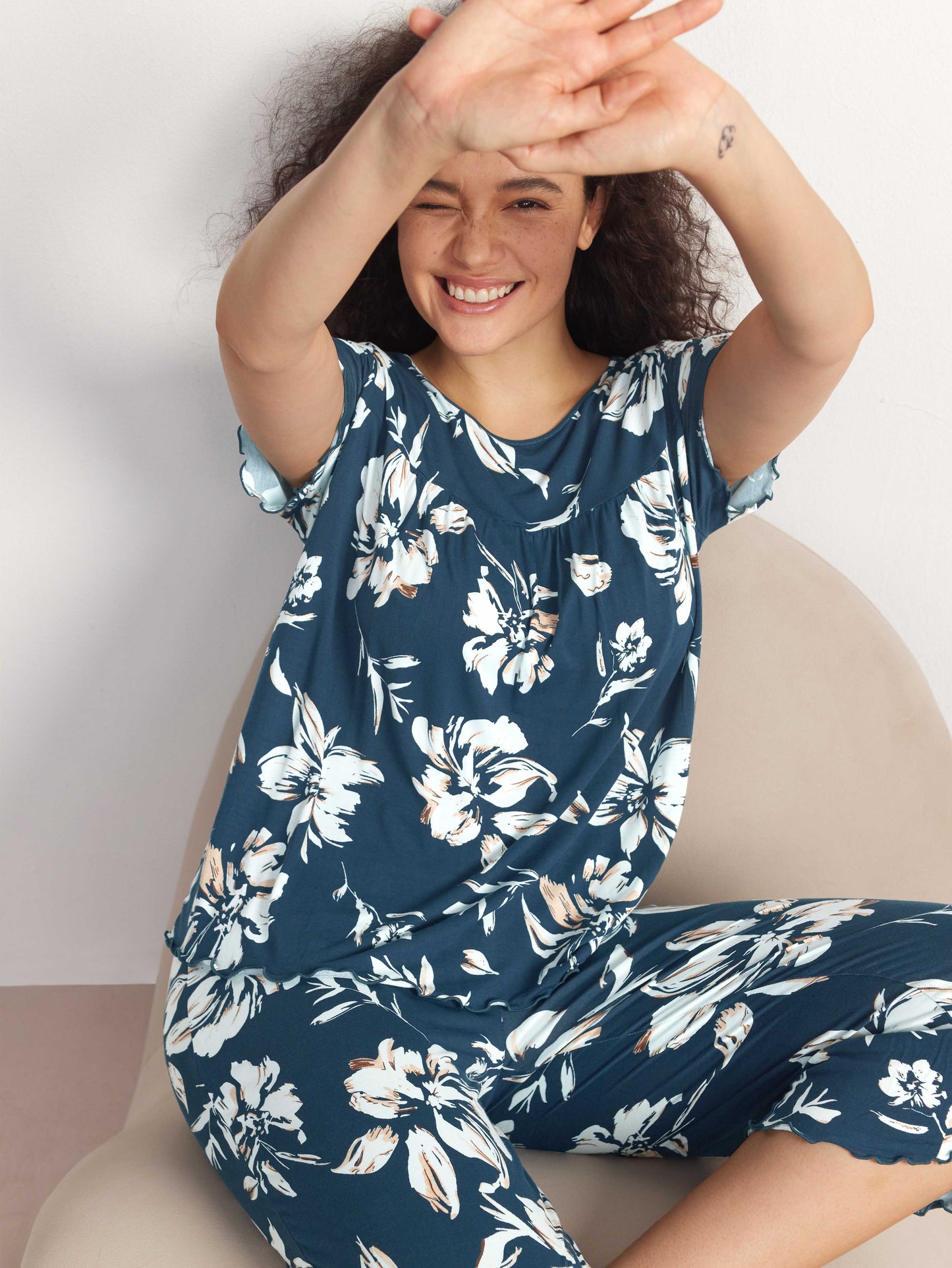
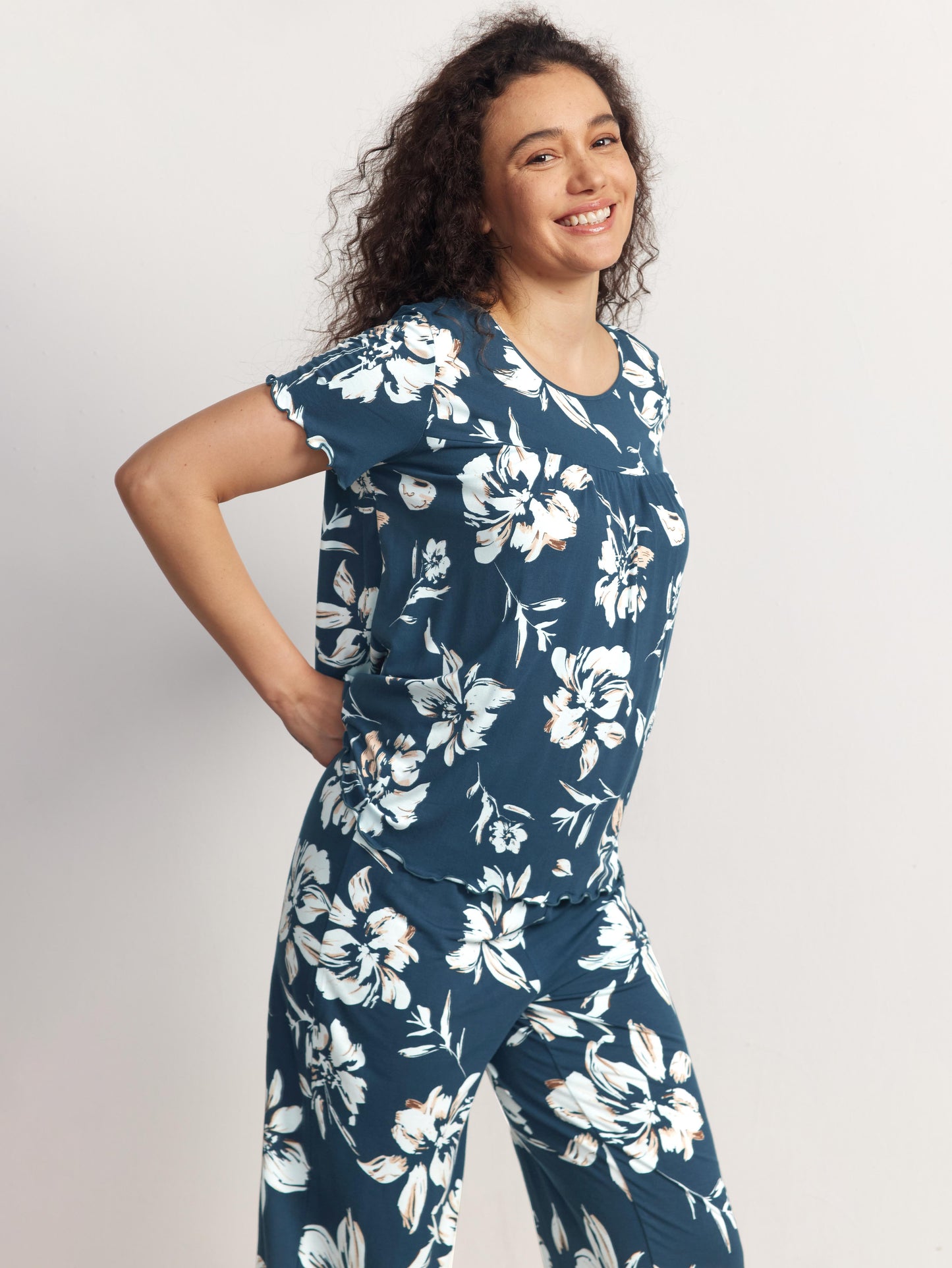
The Premium Collection Has Arrived. More Soft, More Breathable!

Bamboo Pajamas Buying Guide: Sizing, Pilling, Washing, and What’s Actually Worth It
A lot of shoppers buy “women’s bamboo pajamas” or “bamboo pajamas men” once, and then decide never again because of one of these outcomes:
-
sizing mismatch (top fits, pants don’t)
-
after-wash shrink/shrink
-
pilling, snagging, fabric thinning
-
disappointing service or complicated returns
This guide solves that by turning the most common consumer questions into a simple selection system.
1) Fit first: sizing and body-friendly design (including plus-size sleepwear logic)

Sizing complaints are rarely about the number on the tag—they’re about proportions:
-
rise depth vs waistband pressure
-
thigh room vs fabric cling
-
sleeve length + cuff tightness
-
neckline comfort
How to choose sizing intelligently
-
If you’re between sizes, decide whether you prefer drape (size up) or less fabric twist (size down).
-
For belly-forward bodies or post-partum comfort, prioritize:
-
adjustable waistbands
-
non-binding cuffs
-
enough rise depth to prevent waistband rollover
-
On the GYS product page example, the brand notes its sleepwear is generously sized and suggests sizing down if between sizes (that’s useful guidance when shoppers are deciding).
2) Will bamboo viscose pajamas shrink, pill, or lose shape?
Why shrinkage happens
Regenerated cellulose fabrics (like viscose/rayon) can be sensitive to heat + agitation. The two biggest damage multipliers:
-
hot wash / hot dry
-
rubbing against rough fabrics (denim, towels, zippers)
Why pilling happens (in plain language)
Pilling is driven by abrasion: loose fibers work their way to the surface and tangle into little balls. This risk rises with rough laundry loads, high-heat drying, and frequent heavy agitation.
The fix is mostly laundry behavior—not magic fiber.
3) Washing bamboo pajamas the right way (so they last years, not weeks)

The care advice across credible laundry guidance is consistent: cold water, gentle handling, and avoiding high heat.
GYS’s own washing guide recommends:
-
cold or lukewarm water (max 86°F / 30°C)
-
delicate/hand-wash cycles
-
Use a mesh bag to reduce snags.
-
avoid fabric softeners (they can reduce moisture-wicking performance)
And general viscose/rayon washing guidance similarly warns against heat and suggests gentle cycles/air drying when possible.
A simple anti-pilling routine
-
turn inside out
-
Wash cold on delicate
-
mesh bag
-
skip softener
-
air dry or tumble low briefly, remove slightly damp
(Doing this consistently is what separates “bamboo pills fast” reviews from “still looks new” reviews.)
4) Price & value: how to tell if bamboo pajamas are “worth it.”

People argue about bamboo pajama pricing because they’re measuring different things:
-
some measure softness per dollar
-
Others measure cost per wear.
-
Others measure sleep improvement.
A practical way to judge value is the cost-per-wear curve:
-
If you buy one set and it shrinks after 6 washes → expensive mistake
-
If you buy one set and it stays comfortable for 18–24 months → reasonable value, even at a higher price point
Your product selling points emphasize durability behaviors (shape retention, craftsmanship), which align with this cost-per-wear framing.
5) Baby/kids bamboo pajamas: what to say (even if GYS focuses on adults)
Even if your core business is adult sleepwear, family shoppers often use bamboo as a “gift or household comfort” category.
When you discuss children’s bamboo pajamas, keep it responsible:
-
focus on comfort, breathability, verified safety standards
-
avoid implying unproven medical outcomes
-
Emphasize certifications like OEKO-TEX STANDARD 100, where applicable.
6) “Not just sleepwear”: bamboo loungewear and the style problem
Modern consumers don’t want “bed-only” pajamas—they want loungewear that looks presentable at home, for quick errands, or opening the door.
When evaluating bamboo loungewear as “day-to-night”:
-
Look for anti-static comfort in dry climates.
-
Look for drape and shape recovery (so it doesn’t look sloppy after sitting)
7) Brand trust, shipping, and returns: the hidden reason people leave bad reviews
In review ecosystems, service failures often outrank fabric complaints.
On GYS’s published returns policy:
-
Return requests are accepted within 30 days of receiving the product.
-
Refunds are processed within 5 business days after return confirmation (bank processing may take additional time)
This type of clarity matters because it reduces purchase anxiety—especially for first-time buyers who worry about sizing.